
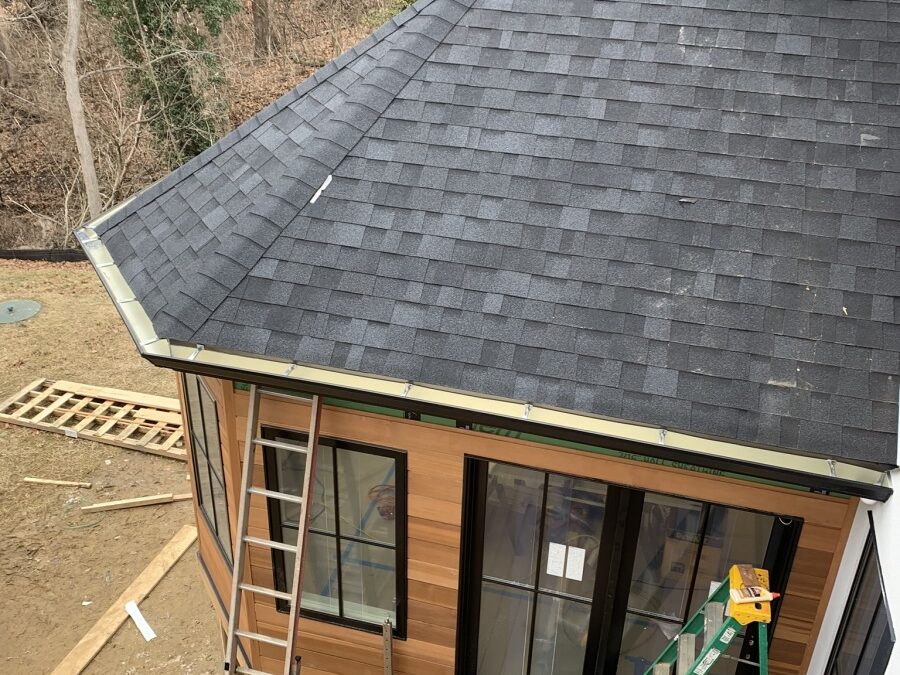
Cincinnati homeowners evaluating gutter options for new installations or replacements often hear seamless gutters recommended as the superior choice, yet many don’t fully understand what makes seamless systems different from traditional sectional gutters or why this distinction matters for performance, longevity, and home protection. For properties in Cincinnati, OH, where annual precipitation exceeds forty inches and weather patterns include humid summers, freeze-thaw winter cycles, and intense thunderstorms, understanding seamless gutter technology, manufacturing methods, and performance characteristics provides essential knowledge for making informed decisions about gutter investments. Gutters Etcetera of Cincinnati, OH presents this comprehensive educational guide explaining what seamless gutters are, how they’re fabricated, why they outperform sectional alternatives, and what practical considerations homeowners should understand when choosing gutter systems.
What Seamless Gutters Are and How They’re Made
Seamless gutters, also referred to as continuous gutters, are formed from a single uninterrupted piece of material custom-fabricated to the precise length required for each individual gutter run on a residential structure. Unlike traditional sectional gutters that consist of pre-manufactured ten or twenty-foot segments joined together using connectors and sealed with caulk, seamless gutters have no joints or seams along their horizontal runs—seams exist only at inside and outside corners and at downspout connection points where they’re structurally unavoidable.
The fabrication process utilizes specialized portable gutter-forming machines that are transported to installation sites. These machines feed coiled metal stock—most commonly aluminum, though copper and steel are also available—through a series of progressive forming rollers that gradually bend and shape the flat material into the familiar K-style or half-round gutter profile. Because fabrication occurs on-site using exact measurements from the specific building, each gutter section can be manufactured to whatever length is needed for a particular roof edge, with installations frequently featuring single continuous runs of fifty, seventy, or even one hundred feet without any seams.
Material options for seamless gutters mirror those available for sectional systems—predominantly aluminum in various gauges (.027-inch for economy, .032-inch for standard residential, and .040-inch heavy-duty for enhanced strength), with copper as a premium longevity option and galvanized or galvalume steel for maximum impact resistance. The critical difference between seamless and sectional gutters is not the material itself but rather the fabrication method and resulting structural characteristics that significantly affect leak resistance, maintenance requirements, and service life.
Traditional sectional gutters are manufactured in standard lengths at factories, distributed through supply chains, and assembled on-site by installers who connect sections using various joining methods—slip connectors, overlapping seams, or union fittings—all requiring sealant application to prevent leaks. Each connection point represents a potential weakness where leaks can develop as sealants degrade from UV exposure, temperature cycling, and water contact—vulnerabilities that seamless construction largely eliminates.
Cincinnati Climate Factors Favoring Seamless Construction
Cincinnati’s humid continental climate creates conditions where seamless gutters’ advantages become particularly evident. The city receives approximately forty-two inches of annual precipitation with spring and summer thunderstorms capable of producing intense short-duration rainfall exceeding two inches per hour. These high-volume rain events place maximum stress on gutter systems, and any weak points—particularly the numerous seams in sectional gutters—face tremendous water pressure that exploits even minor sealant imperfections.
Regional humidity and temperature extremes accelerate sealant degradation in sectional systems. The caulks and sealants joining sectional gutter pieces are organic compounds that deteriorate over time from UV radiation, thermal expansion-contraction cycling, and moisture exposure. In Cincinnati’s climate with hot humid summers and cold winters, sealants may begin failing within five to eight years, creating leak points requiring ongoing maintenance.
Summer heat regularly pushes temperatures into the upper eighties and nineties, with sun exposure causing metal gutters to reach even higher surface temperatures. This heating causes material expansion, followed by contraction during cooler periods. Sectional gutters experience stress at each seam as materials expand and contract, gradually loosening joints and degrading sealant bonds. Seamless gutters eliminate most stress points by having no mid-run seams.
Cincinnati’s winter freeze-thaw cycles prove particularly challenging for sectional gutter seams. Water infiltrating into seam gaps freezes, expands, and progressively widens openings. This cycle can quickly transform minor imperfections into significant leaks. Seamless gutters’ minimal seam count dramatically reduces this vulnerability.
Severe weather including high winds and hail tests gutter integrity. Poorly sealed sectional gutters can separate at seams under wind stress, while wind-driven rain infiltrates seam gaps. Seamless systems’ continuous construction provides superior resistance to both forces.
Key Advantages of Seamless Gutter Systems
Seamless gutters deliver multiple benefits that make them the preferred choice for most residential applications.
Dramatically Reduced Leak Potential
The most significant advantage is substantially reduced leak risk. By eliminating mid-run seams requiring sealant, seamless construction removes the most common failure points. Reducing potential leak locations from dozens to just a handful dramatically improves reliability. For Cincinnati homes where water management protects foundations and basements, this leak resistance provides essential value.
Superior Structural Integrity
Seamless gutters offer enhanced structural strength. Continuous material distributes stress uniformly and eliminates weak connection points. This advantage proves important during heavy rainfall and ice accumulation events.
Enhanced Aesthetics
Seamless gutters provide cleaner appearance than sectional systems. Absence of visible seams and connectors creates smooth lines that complement architecture and enhance curb appeal.
Reduced Maintenance
Maintenance demands decrease because there are no mid-run seams to inspect or recaulk. While cleaning remains necessary, fewer potential failure points mean less inspection frequency and minimal preventative maintenance.
Custom Fit
On-site fabrication to exact measurements ensures perfect dimensional fit without field adjustments or additional joints, optimizing performance and appearance.
Longer Service Life
Elimination of seam failures typically results in significantly longer lifespan—often twenty-five to thirty-plus years compared to fifteen to twenty for sectional systems.
Material Options
Aluminum Seamless Gutters
Aluminum offers excellent balance of performance, cost, and longevity. It resists rust, maintains light weight, and is available in numerous colors. Standard .032-gauge provides optimal performance for most applications.
Copper Seamless Gutters
Copper delivers premium aesthetics and exceptional fifty-plus year longevity with distinctive patina development. Higher cost and specialized installation are considerations.
Steel Seamless Gutters
Steel offers maximum strength and impact resistance for demanding applications, though it’s heavier and may eventually corrode if coatings are compromised.
Installation Requirements
On-Site Fabrication
Installation requires bringing gutter-forming equipment to the property, necessitating accessible work areas and favorable weather conditions.
Precise Measurement
Accurate measurement is critical since each section is custom-formed without adjustment flexibility available in sectional systems.
Professional Installation
Specialized equipment and expertise requirements make professional installation essentially mandatory, eliminating DIY options.
Proper Slope and Mounting
Appropriate drainage slope and secure mounting at proper intervals ensure optimal performance.
Considerations and Limitations
Higher Initial Cost
Seamless installation typically costs twenty-five to forty percent more initially than sectional systems, though this is often recovered through reduced long-term maintenance and extended service life.
Repair Complexity
Damaged sections may require longer replacement runs than with sectional systems, though this is offset by overall superior durability.
No DIY Option
Homeowners cannot self-install seamless gutters, requiring professional services.
Conclusion
Seamless gutters represent proven advancement in residential gutter technology that addresses fundamental weaknesses of sectional systems through continuous construction eliminating vulnerable mid-run seams. Gutters Etcetera of Cincinnati, OH encourages homeowners to understand construction differences between seamless and sectional gutters, recognize how Cincinnati’s climate amplifies seamless systems’ advantages, and appreciate the long-term value delivered through superior leak resistance, reduced maintenance, and extended service life. When planning gutter installation or replacement, seamless construction offers performance benefits that protect homes more effectively while minimizing ongoing maintenance—making seamless gutters a sound investment for Cincinnati properties. This educational overview supports informed homeowner decision-making without implying specific service commitments.