
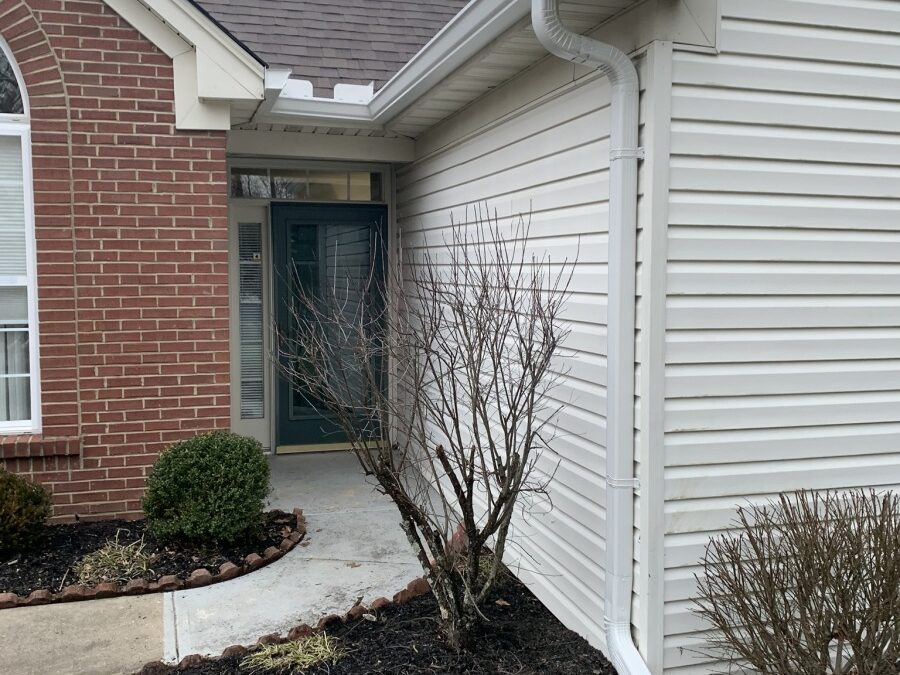
Vinyl soffit represents a fundamental exterior building component that protects the underside of roof overhangs while providing essential attic ventilation and creating a finished appearance on residential structures. For homeowners in Cincinnati, OH, where weather patterns include humid summers, significant annual precipitation, freeze-thaw winter cycles, and occasional severe storms, understanding vinyl soffit characteristics, proper installation requirements, common problems, and effective repair strategies ensures this component performs its protective functions reliably. Gutters Etcetera of Cincinnati, OH offers this comprehensive educational guide explaining what vinyl soffit is, why it matters in the Cincinnati climate, the benefits and potential issues associated with vinyl systems, and practical knowledge homeowners need when considering installation or addressing repairs.
What Vinyl Soffit Is and How It Functions
Vinyl soffit consists of extruded polyvinyl chloride (PVC) panels manufactured specifically for installation on the horizontal underside of eaves and roof overhangs. These panels bridge the opening between the home’s exterior wall and the fascia board at the roof edge, serving multiple essential purposes that extend well beyond visual appeal.
Primary functions include protecting exposed rafter tails and roof framing from direct weather exposure, providing ventilation pathways that allow attic air circulation when perforated panels are used, preventing pest access into attic spaces, and creating visual continuity with other exterior trim components. Properly installed vinyl soffit contributes significantly to overall building envelope performance by managing moisture intrusion, supporting thermal control through ventilation, and maintaining structural protection of roof edge components.
The vinyl material formulation includes UV inhibitors that resist sun-induced degradation and color fading, impact modifiers that improve resistance to physical damage from hail and debris, and plasticizers that maintain flexibility across wide temperature ranges. Quality vinyl soffit products are engineered to perform reliably from sub-zero winter temperatures to summer attic heat exceeding 140 degrees Fahrenheit without warping, cracking, or becoming brittle—performance characteristics essential for Cincinnati’s variable climate.
Panel designs typically measure twelve feet in length with widths ranging from twelve to sixteen inches, though dimensions vary by manufacturer and product line. Panels feature interlocking edge profiles that create weathertight connections when properly fitted, and they’re manufactured in both solid configurations for areas not requiring ventilation and perforated versions that provide continuous intake airflow along the entire eave length.
The complete vinyl soffit system includes complementary trim components—F-channel, J-channel, and receiver strips—that secure panel edges at walls and fascia while accommodating the thermal expansion and contraction inherent in vinyl materials. These accessories are typically color-matched to panels and engineered as integrated systems for optimal fit and long-term performance.
Cincinnati Climate Factors Affecting Soffit Performance
Cincinnati’s humid continental climate creates specific conditions that influence soffit material selection and installation requirements. Summer temperatures regularly reach the upper eighties and nineties with high humidity, generating attic temperatures that can exceed 140 degrees without adequate ventilation. This trapped heat stresses roofing materials, dramatically increases cooling costs, and can cause moisture problems when hot humid attic air contacts cooler surfaces and condenses. Proper soffit ventilation using appropriately designed perforated panels helps mitigate these heat and moisture issues.
The city receives approximately forty-two inches of annual precipitation distributed throughout the year, with thunderstorms during spring and summer capable of producing intense short-duration rainfall. Wind-driven rain during these events can force water into improperly sealed soffit systems, potentially saturating insulation, damaging interior finishes, or creating conditions for mold growth. Vinyl soffit’s inherent water resistance provides protection when installation details properly manage water infiltration risks.
Cincinnati experiences significant seasonal temperature variation from winter lows occasionally dropping below zero to summer highs in the mid-nineties, creating substantial thermal cycling that stresses building materials through expansion and contraction. Vinyl soffit’s flexibility allows it to accommodate this movement without cracking when installation follows proper techniques that avoid over-constraining panels.
Winter freeze-thaw cycles prove particularly challenging for building envelope components in the Cincinnati region. Water that has penetrated behind soffits or into supporting structures can freeze, expand, and cause mechanical damage that forces panels loose or damages wood framing. Proper installation with adequate weatherproofing and drainage provisions prevents moisture accumulation that creates freeze damage potential.
Severe weather including hail, high winds, and occasional tornado activity tests soffit durability and attachment security. Quality vinyl products offer good impact resistance, and proper installation with adequate fastening can withstand typical wind events, though exceptional storm conditions may cause damage requiring repair or replacement of affected sections.
Advantages of Vinyl Soffit for Cincinnati Homes
Vinyl soffit offers multiple benefits that make it particularly well-suited to residential applications in Cincinnati’s climate. The material’s water resistance stands as perhaps its most valuable characteristic—vinyl doesn’t absorb moisture, won’t rot or decay from water exposure, and maintains structural integrity through repeated wet-dry cycles. This property proves essential in Cincinnati’s humid environment where wood soffits frequently fail prematurely from moisture-related deterioration.
Low Maintenance Requirements
Low maintenance requirements make vinyl soffit attractive to homeowners seeking to minimize ongoing upkeep. Vinyl retains its color without requiring painting or staining, needs only periodic cleaning to remove surface dirt and biological growth, and doesn’t split, warp, or peel like wood alternatives. This maintenance profile reduces long-term ownership costs and labor demands compared to materials requiring regular refinishing.
Integrated Ventilation Capability
Integrated ventilation capability through perforated panel options provides continuous soffit venting without requiring separate vent installations. Properly designed systems deliver intake airflow along the entire eave length, working in conjunction with ridge vents or other exhaust systems to create effective attic ventilation that reduces heat buildup, controls moisture accumulation, and extends shingle service life.
Pest Resistance
Pest resistance makes vinyl soffit less vulnerable to damage from insects and prevents wildlife access when properly installed. The material provides no nutritional value to wood-boring insects, isn’t affected by termites or carpenter bees, and creates barriers that make attic infiltration by squirrels, birds, and bats considerably more difficult—particularly important in areas with significant pest pressure.
Installation Versatility
Installation versatility allows vinyl soffit to adapt to various architectural styles, eave configurations, and retrofit applications. Panels can be cut to custom lengths, work with horizontal or sloped installations, and are available in multiple colors coordinating with different exterior color schemes. Experienced contractors can typically install vinyl soffit more quickly than wood alternatives, reducing labor costs.
Long-Term Durability
Long-term durability when properly installed and maintained means vinyl soffit often provides twenty to thirty years or more of reliable service without requiring replacement. While individual panels may occasionally need repair from physical damage, complete system failures are uncommon with quality products correctly installed.
Common Vinyl Soffit Problems and Their Causes
Despite vinyl soffit’s overall durability, certain problems can develop—most stemming from installation errors, physical damage, or maintenance neglect rather than inherent material failures. Recognizing these issues helps homeowners identify problems early and take corrective action before secondary damage occurs.
Ventilation Deficiencies
Ventilation deficiencies represent serious yet often invisible problems. Installing solid panels where vented versions are required, blocking vent openings with insulation or debris, or providing insufficient total vent area creates inadequate attic airflow. The resulting heat and moisture buildup can damage roof sheathing, age shingles prematurely, increase energy costs, and promote mold growth—problems that may develop over years before becoming visually apparent.
Improper Fastening
Improper fastening during installation causes panels to loosen, rattle in wind, or allow water infiltration. Vinyl soffit should be fastened through the center of manufacturer-provided slots rather than at edges, and fasteners should be snug but not tight—leaving approximately 1/32 inch clearance to accommodate thermal movement. Over-driven fasteners restrict expansion and can cause buckling during temperature increases.
Insufficient Support Structure
Insufficient support structure beneath panels leads to sagging between attachment points, creating wavy appearances and potential for panel separation. Proper installation requires adequate backing—typically plywood, OSB sheathing, or appropriately spaced furring—to maintain flat surfaces and support panel weight plus potential snow or ice loads.
Impact Damage
Impact damage from hail, falling branches, ladders, or similar physical contact can crack or puncture vinyl panels. While vinyl offers good impact resistance, severe strikes exceed material limits and create damage requiring section replacement. Fortunately, the modular panel design usually allows replacing damaged areas without disturbing surrounding sections.
Thermal Expansion Problems
Thermal expansion problems occur when installation doesn’t account for vinyl’s movement characteristics. Panels installed in cold weather without proper expansion gaps may buckle when summer heat causes expansion. Conversely, panels installed during hot weather without adequate overlap may separate at joints when winter cold causes contraction.
Biological Staining
Biological staining from mildew, algae, or mold affects appearance in humid climates, particularly on shaded north-facing eaves with limited sun exposure and poor air circulation. While this growth doesn’t damage vinyl structurally, it creates unsightly discoloration that diminishes curb appeal until cleaned.
Color Fading
Color fading can occur on lower-quality products or older installations predating improved UV stabilizer technology. Modern premium vinyl soffit resists fading effectively, but budget-grade materials or installations over fifteen years old may show noticeable color change, particularly on south and west-facing exposures receiving maximum sun.
Installation Best Practices and Standards
Proper vinyl soffit installation requires attention to details that affect both immediate appearance and long-term performance. Understanding these factors helps homeowners evaluate contractor work and recognize quality installations.
Ventilation Design
Ventilation design must be addressed before panel selection. Calculate required attic ventilation based on attic square footage using applicable building codes—typically specifying minimum net free vent area with balanced intake and exhaust. This calculation determines the proportion of vented versus solid panels needed and influences panel placement decisions.
Substrate Preparation
Substrate preparation ensures panels have stable mounting surfaces. Existing deteriorated wood soffits should be repaired or replaced rather than simply covered, as damaged substrate won’t provide secure long-term attachment. New construction requires solid backing or proper support member spacing perpendicular to panel direction.
Trim Installation
Trim installation creates the mounting framework. F-channel or J-channel secures panel edges at fascia and wall locations, providing weather-tight terminations. Channels must be level, properly aligned, and securely fastened to accept panels without forcing or distorting them.
Expansion Gaps
Expansion gaps prevent thermal movement problems. Leave approximately one-quarter inch clearance at trim channels to allow seasonal expansion without binding. Adjust gaps based on installation temperature—panels installed in cold weather need slightly less clearance since summer heat will cause expansion.
Fastener Technique
Fastener technique affects system longevity. Use corrosion-resistant fasteners appropriate for substrate materials, space approximately sixteen inches apart, position in the center of panel slots, and drive perpendicular to surfaces leaving slight clearance rather than fully seating. This allows free thermal movement.
Vent Protection
Vent protection maintains airflow effectiveness. Ensure attic insulation doesn’t block soffit vents, install baffles if necessary to maintain clear airways, and verify perforated panels remain unobstructed by paint, debris, or insect nests.
Repair Options for Vinyl Soffit Issues
Many vinyl soffit problems can be corrected through targeted repairs rather than complete replacement, offering cost-effective solutions to localized damage or installation defects.
Panel Replacement
Panel replacement addresses damage from impacts or installation errors. Carefully remove trim securing damaged panels, slide out affected pieces, cut and fit replacement panels matching original color and style, and reinstall trim to secure new sections. Color matching may prove challenging on older faded installations.
Fastening Correction
Fastening correction fixes loose panels without replacement. Remove affected panels, inspect and repair substrate damage if present, then reinstall using proper fastening techniques—centered in slots with appropriate spacing and tension.
Vent Clearing
Vent clearing removes obstructions from perforated panels. Clean debris, remove insect nests, or carefully clear paint from perforations without enlarging openings. Consider installing vent screens if insect infiltration is recurring.
Cleaning
Cleaning restores appearance. Use mild detergent and soft brush or low-pressure washing to remove biological growth, avoiding harsh chemicals or high pressure that could damage vinyl or force water behind panels.
Conclusion
Vinyl soffit installation and repair represent important considerations for Cincinnati homeowners seeking durable, low-maintenance solutions for eave protection and attic ventilation. Gutters Etcetera of Cincinnati, OH encourages property owners to understand vinyl soffit’s performance characteristics in the local climate, recognize proper installation standards, and address problems promptly to maintain both function and appearance. When correctly installed with attention to ventilation requirements, thermal movement accommodation, and proper fastening techniques, quality vinyl soffit systems provide decades of reliable service protecting homes from moisture intrusion while supporting essential attic airflow. This educational guide is provided to inform homeowner decision-making without implying specific service commitments.