With autumn leaf drop in full swing, Cincinnati homeowners should prioritize fall gutter cleaning to protect roofs, siding, and foundations. This in-depth, informational guide from Gutters Etcetera in Cincinnati, OH covers what professional fall gutter cleaning involves, why it is particularly important in the Cincinnati climate, the benefits of timely action, the consequences of deferring maintenance, and what homeowners should expect from a seasonal service—without making any service guarantees.
Defining fall gutter cleaning
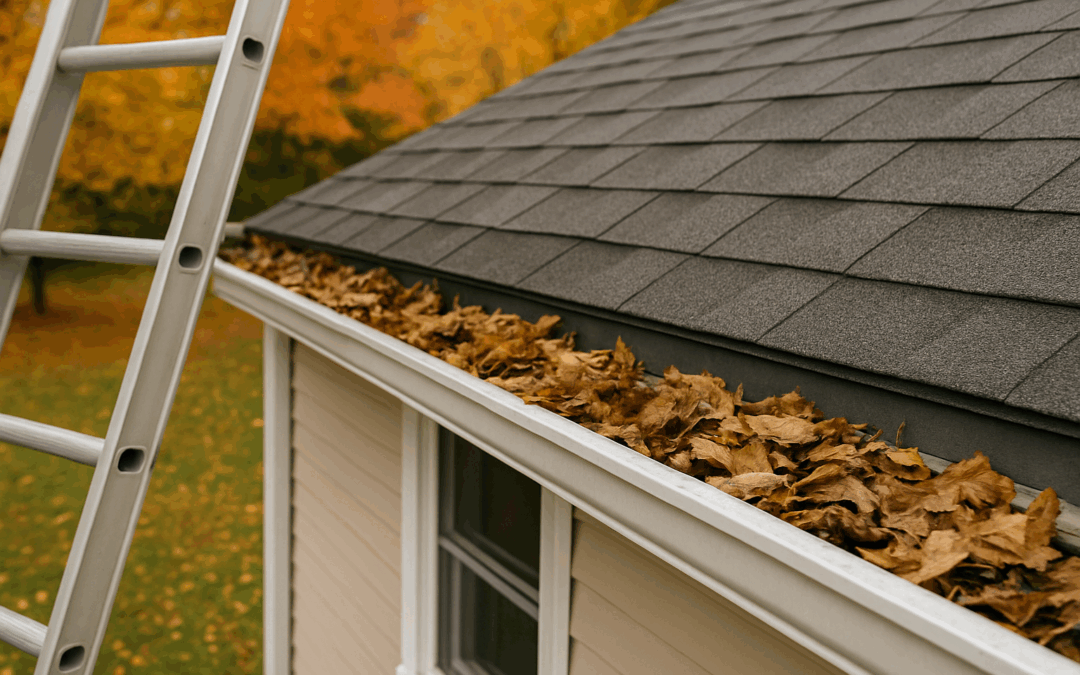
Fall gutter cleaning refers to seasonal assessment and removal of leaves, twigs, seeds, and other organic matter that accumulate in gutter channels and downspouts during autumn. A professional approach emphasizes inspection, debris management, clearing of flow obstructions, and identification of hardware or trim that may need repair or replacement to restore reliable drainage.
Local climate considerations that increase urgency
Cincinnati’s fall weather commonly features significant leaf fall from established trees and periodic heavy rains. The city’s freeze-thaw winters can exacerbate damage if gutters retain water from clogged channels. Where gutters overflow, concentrated surface runoff can saturate soils near foundations, potentially causing basement moisture problems or erosion. Fall maintenance mitigates these regional risks.
Benefits of fall gutter attention
- Restored flow capacity for autumn storms and reduced overflow risk.
- Lowered risk of water-saturated fascia and soffit that can lead to rot.
- Reduced nesting and breeding sites for pests that exploit debris-filled troughs.
- Early warning of damaged components—hangers, seams, or downspouts—allowing planned repairs.
- Protection of landscaping from concentrated runoff during heavy rains.
Problems from skipping seasonal cleaning
- Overflow that damages siding, windows, and landscape beds.
- Downspout blockages that send water into vulnerable crawlspaces or toward foundations.
- Ice-related damage during winter when retained water freezes in place.
- Faster corrosion and material wear where debris holds moisture against metal gutters.
- Hidden eave and rafter decay that becomes expensive to rectify.
What homeowners can expect from a professional fall check
- Assessment of debris volume and the potential for flow restriction in typical storm events.
- Notes on structural integrity of gutter attachments and suggestions for anything requiring attention.
- Observations about downspout discharge locations and whether water is being routed safely from the foundation area.
- Identification of visible rot, paint failure, or insect activity that may need follow-up.
Preventive approaches
- Gutter guards and screens can lessen the frequency of clogs, but they remain a maintenance feature that requires inspection. Select guard types compatible with local leaf and seed sizes.
- Proactive canopy trimming reduces ongoing leaf fall directly over rooflines.
- Consider evaluating gutter capacity and downspout placement if your roof drains substantial water volumes during storms.
Choosing a contractor in Cincinnati
Select firms with local experience, clear safety practices for work at heights, and positive customer references. Request a written summary of the inspection findings and any recommended repairs or upgrades so you can decide how to proceed. Transparent communication about cost estimates and scope helps homeowners make informed choices.
Timing recommendations
Schedule professional fall assessment and cleaning after the majority of leaf drop—typically late October through November in Cincinnati—while avoiding major storm windows. Properties with heavy tree exposure may need a follow-up cleaning depending on late-season leaf events.
Conclusion
Fall gutter cleaning is an essential seasonal task that helps Cincinnati homeowners protect property from water-related damage during autumn and beyond. Gutters Etcetera of Cincinnati, OH recommends using the fall window to obtain a professional inspection and clearing so that drainage systems remain capable of handling seasonal storms—information intended to support homeowner decisions without implying any service commitments.