Wood soffits remain a common and attractive choice on many Cincinnati homes, providing a finished eave appearance while helping ventilate attics and shield roof framing. Cincinnati’s varied weather—wet springs, humid summers, and cold winters—creates particular challenges for wood soffits. This informational piece from Gutters Etcetera in Cincinnati, OH, outlines what wood soffits do, why local climate matters, common damage mechanisms, and practical, non-promotional advice for repair and replacement decisions.
What are wood soffits?
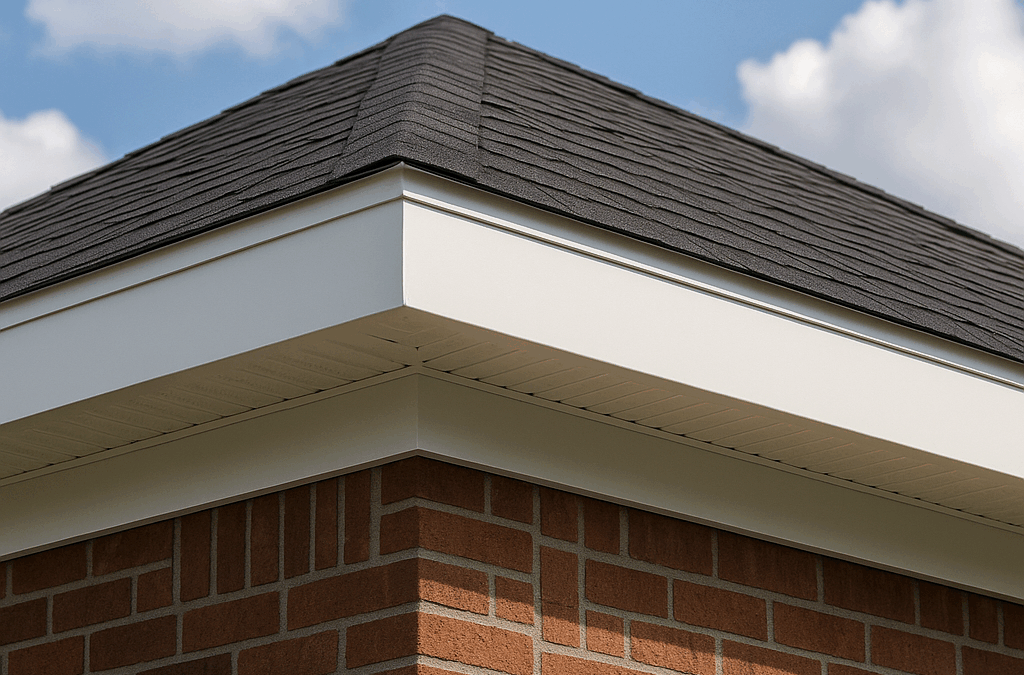
Soffits are the horizontal undersides beneath eaves and overhangs; when made of wood, they offer natural textures and can be painted or stained to match trim. Vented wood soffits support attic intake airflow, which is critical for controlling moisture and reducing the risk of ice dams in winter.
Why Cincinnati’s climate is relevant
Cincinnati receives substantial annual precipitation and experiences freeze-thaw cycles that test wood finishes and joints. High humidity and shaded eaves in tree-lined neighborhoods can prolong moisture exposure, increasing the likelihood of rot and paint failure. Properly managed soffits mitigate water intrusion into the attic and protect rafter tails and fascia from decay.
Common causes of soffit deterioration
- Leaking or overflowing gutters and misdirected downspouts that saturate eaves.
- Inadequate attic ventilation or air leaks causing internal condensation.
- Wood-eating insects and nesting birds that exploit weakened areas.
- Paint failure due to UV, moisture, and seasonal movement, allowing water entry.
- Impact damage from storms, hail, or falling branches.
Diagnosis: signs homeowners should watch for
- Soft or crumbling wood where a gentle probe yields penetration.
- Rust stains or paint blistering on soffit surfaces.
- Visible gaps between soffit boards and the fascia or wall.
- Persistent attic moisture or musty odors after rainfall.
- Pest detritus, tiny exit holes, or evidence of nesting.
Repair considerations vs. replacement
Localized repairs can be cost-effective: replace individual boards, treat adjacent wood, and improve flashing or gutter performance to prevent recurrence. Replacement becomes appropriate when damage is widespread, structural elements are compromised, or when maintenance reduction is prioritized. Non-wood materials—aluminum, vinyl, or fiber cement—offer durability benefits but change the original wood aesthetic.
Practical, homeowner-focused steps (non-promotional)
- Find and fix the moisture source first: Examine gutters and flashing, clear debris, and ensure downspouts move water away from the house.
- Improve attic air control: Seal attic bypasses (recessed lights, attic doors) and confirm correct intake/exhaust venting to prevent condensation on soffits.
- Make smart repairs: Use rot-resistant or pressure-treated wood for replacements, install proper flashing, and paint with breathable exterior coatings suitable for Cincinnati’s humidity.
- Protect against pests: Repair entry points and consult a licensed pest professional if infestation is suspected before cosmetic repairs.
- Consider material alternatives carefully: Balance the desire for low-maintenance materials with the home’s architectural character and budget.
- Follow seasonal inspection practices: Check soffits after spring storms, summer humidity periods, and before winter to reduce freeze-thaw surprises.
- Document repairs and monitor: Keep records of repairs, paint dates, and inspections to identify recurring spots that may need a larger solution.
Key installation details that improve longevity
- Correct flashing and drip edge details reduce the chance of water getting behind soffits.
- Leave manufacturer-recommended ventilation gaps; sealed soffits can trap moisture and accelerate rot.
- Use corrosion-resistant fasteners and compatible sealants to preserve joint integrity.
Conclusion
Wood soffits provide an attractive and functional finish to many Cincinnati homes, but local weather patterns require attentive upkeep. Gutters Etcetera of Cincinnati, OH, recommends addressing moisture sources and ventilation issues before completing cosmetic repairs, using durable materials and proper detailing to extend service life. Regular inspections, timely corrective action, and pragmatic material choices help Cincinnati homeowners protect soffits and the broader roof structure without implying any direct service commitments.