
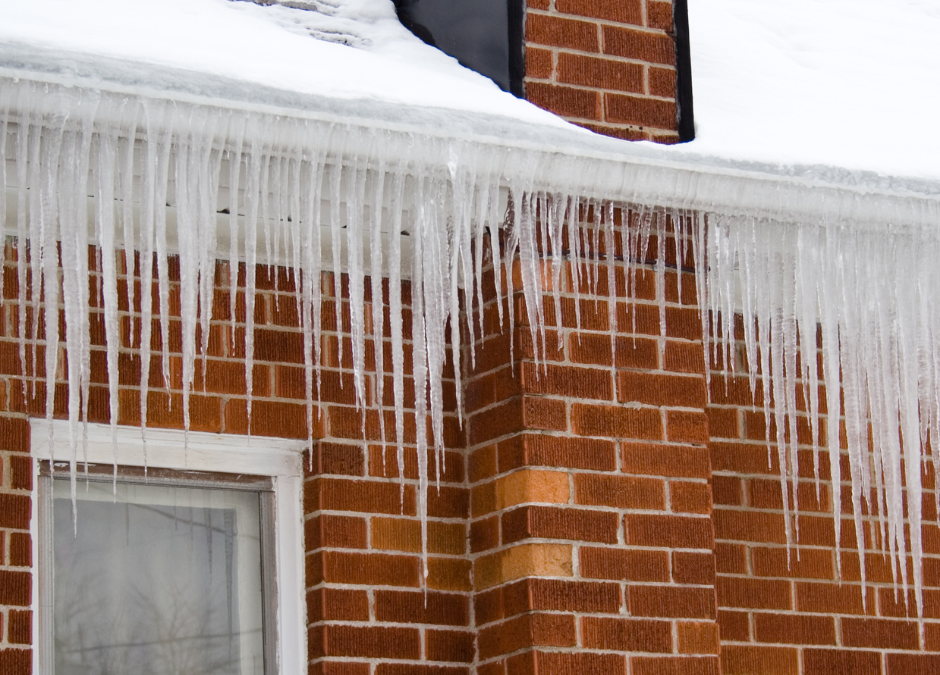
As winter approaches Cincinnati, OH, homeowners should prioritize winter gutter preparation—a proactive maintenance step that protects drainage systems and structures from seasonal challenges including freezing temperatures, ice accumulation, and winter precipitation. Gutters Etcetera of Cincinnati, OH presents this thorough informational guide explaining what winter gutter preparation entails, why it is particularly important in the Cincinnati climate, the benefits of timely preparation, and the risks homeowners face when gutters enter winter in compromised condition.
Understanding winter gutter preparation
Winter gutter preparation refers to the seasonal inspection, cleaning, and servicing of gutter systems before cold weather creates conditions that can damage components or impair drainage function. The process typically involves removing all accumulated debris, verifying secure attachment of gutters to fascia, testing water flow through downspouts, correcting slope issues, and addressing any damage or wear that could worsen under winter stress. For Cincinnati homeowners, where winter brings freeze-thaw cycles, ice storms, and significant precipitation, thorough preparation is a critical preventative measure.
Cincinnati winter weather and gutter stress factors
Cincinnati’s winter climate is characterized by variability—temperatures can swing from mild to well below freezing within short timeframes, creating freeze-thaw cycles that are particularly damaging to unprepared gutter systems. The city experiences ice storms, freezing rain, and occasional snow accumulation, all of which place additional weight and stress on gutter components.
When temperatures drop below freezing, any standing water in gutters or downspouts freezes and expands. This expansion can deform aluminum gutters, crack vinyl components, or separate seams in sectional systems. When temperatures rise and ice melts, the water refreezes during the next cold period—a cycle that can repeat dozens of times over a winter season, progressively worsening damage.
Ice storms add another layer of risk. Freezing rain coats gutters and roof edges with heavy ice layers that can double or triple the weight gutters must support. Systems already weakened by corrosion, loose hangers, or debris loads may fail completely under this added stress. Furthermore, ice-filled gutters cannot drain, meaning that rain or snowmelt occurring during warmer periods has no exit route except over the gutter edge.
Cincinnati also receives substantial winter rainfall. Gutters clogged with autumn leaves or compromised by structural issues cannot handle these precipitation events, leading to overflow that saturates foundation soils and increases basement seepage risks. The region’s clay soils drain slowly and can become saturated during wet winters, making proper surface water management even more critical.
Benefits of thorough winter preparation
Preparing gutters for winter delivers multiple protective advantages. First, it ensures continuous drainage capability throughout the season. Clean, properly functioning gutters move water away from roofs and foundations during winter storms, reducing risks of interior moisture intrusion and exterior component damage.
Second, preparation prevents ice-related damage to gutter systems themselves. By eliminating debris and standing water, homeowners remove the primary materials that freeze and expand, thereby reducing stress on gutter channels, joints, and mounting hardware. Gutters that enter winter in sound condition—free of obstructions, with secure hangers and sealed seams—are significantly more likely to survive freeze-thaw cycles without failure.
Third, winter-ready gutters reduce property safety hazards. Ice buildup along roof edges creates falling ice dangers near doors and walkways. Overflow from clogged gutters freezes on steps, driveways, and sidewalks, creating serious slip-and-fall risks. Addressing these vulnerabilities before winter weather establishes makes properties safer for all who live in or visit the home.
Additionally, maintaining effective drainage protects adjacent building systems. Overflow from failed gutters can saturate soffit and fascia boards, infiltrate behind siding, or back up under shingles—all of which cause moisture damage that may remain hidden until spring. By keeping gutters functional through winter, homeowners protect these interconnected components from deterioration.
Risks and problems from inadequate preparation
Homeowners who enter winter without preparing their gutters face numerous avoidable problems. Gutters filled with wet leaves and organic debris are prone to freezing solid when temperatures drop. The resulting ice mass can weigh hundreds of pounds per linear foot and places enormous stress on hanger brackets and fascia boards, frequently causing gutters to pull away from the house, sag dramatically, or collapse entirely.
Downspouts present particular vulnerabilities. When ice forms inside a downspout, it creates a complete blockage that prevents drainage. Subsequent rain or snowmelt backs up into the gutter and eventually overflows—typically at locations near basement windows, foundation seams, or wall penetrations where water infiltration potential is greatest.
Freeze-thaw cycles amplify existing defects in gutter systems. A small leak at a seam that causes minor dripping in autumn can become a major separation in winter as water collects at the gap, freezes, expands, and progressively widens the opening. Similarly, a slightly loose mounting bracket that holds adequately under normal loads may fail completely when ice weight is added.
Foundation and structural risks increase when gutters overflow during winter months. Water that collects near foundation walls saturates clay soils; when saturated soil freezes, it expands and can exert lateral pressure against foundation walls strong enough to cause cracking or movement. For homes with basements, saturated soils increase hydrostatic pressure and dramatically raise the likelihood of water seepage through foundation cracks or mortar joints.
Key elements of effective winter preparation
Comprehensive winter gutter preparation addresses several critical areas. Complete debris removal forms the foundation—every gutter section and downspout must be thoroughly cleared of leaves, seed pods, twigs, and decomposing organic matter. Cincinnati’s abundant tree cover means gutters can contain substantial debris loads by late autumn, and materials must be removed completely rather than simply reduced.
Systematic inspection follows cleaning. This includes checking every hanger and mounting bracket for secure attachment to fascia, examining all seams and corner joints for separation or deterioration, verifying that end caps are properly sealed, and ensuring downspout connections are tight and correctly aligned. Corners and downspout inlets deserve special attention since these areas experience concentrated stress.
Slope verification ensures gutters maintain proper pitch toward downspouts so water drains completely rather than pooling. Sections with inadequate or reverse slope retain standing water that will freeze; identifying and correcting these areas before winter eliminates ice formation sites.
Downspout testing confirms unobstructed flow from gutter through the entire vertical run to the discharge point. Each downspout should be flushed with water to verify there are no internal blockages. Extensions and splash blocks should be positioned to move water at least four to six feet from foundation walls and checked to ensure they haven’t shifted, become buried, or deteriorated.
For properties with gutter guards or leaf protection systems, winter preparation includes removing accumulated fine debris from guard surfaces, confirming guards remain securely attached and properly aligned, and verifying that heavy rainfall can enter the gutter without overshooting or creating backups.
Preventive improvements for winter resilience
Beyond basic preparation, several enhancements can improve winter gutter performance. Heat cable systems designed for gutters and roof edges can prevent ice formation in vulnerable areas such as north-facing roof sections or valleys where ice dams commonly develop. These systems must be installed following manufacturer instructions and local electrical codes, and they function best when activated before ice forms rather than after problems appear.
Attic insulation and ventilation upgrades address underlying causes of ice dams. When heated interior air reaches the attic and warms the roof deck, snow melts and then refreezes at the colder eaves. Proper insulation retains heat in living spaces, while adequate ventilation maintains uniform attic temperatures that prevent uneven snow melting.
For homes with chronic winter drainage problems, system modifications may be appropriate. Upgrading to larger gutter profiles—such as six-inch gutters instead of standard five-inch—increases capacity and reduces overflow potential during heavy precipitation. Adding downspouts reduces the horizontal distance water must travel and distributes discharge across more foundation perimeter points, lessening concentrated runoff.
Timing and professional assistance
The ideal window for winter gutter preparation in Cincinnati is November—after most leaf drop has occurred but before sustained freezing temperatures arrive. This timing allows maintenance work to proceed in moderate weather conditions and ensures systems are ready when winter weather patterns establish.
Professional services are particularly valuable for multi-story homes, complex roof configurations, or situations requiring significant repairs. Professionals bring experience in safely accessing difficult areas, identifying subtle problems, and executing repairs with appropriate materials and proven methods. Many provide written documentation of findings and recommendations that help homeowners plan future maintenance and budget for necessary improvements.
Conclusion
Winter gutter preparation is a season-specific maintenance priority that helps Cincinnati homeowners protect their properties from the challenges of Ohio winter weather. Gutters Etcetera of Cincinnati, OH encourages property owners to understand the local climate factors that create risk, recognize the benefits of proactive preparation, and appreciate the consequences of entering winter with unprepared systems. By removing debris, verifying component integrity, and optimizing drainage before cold weather arrives, homeowners can significantly reduce the likelihood of costly damage and ensure their gutter systems continue to perform effectively throughout winter months. This informational guide is provided to support informed homeowner decisions and does not constitute specific service commitments.