
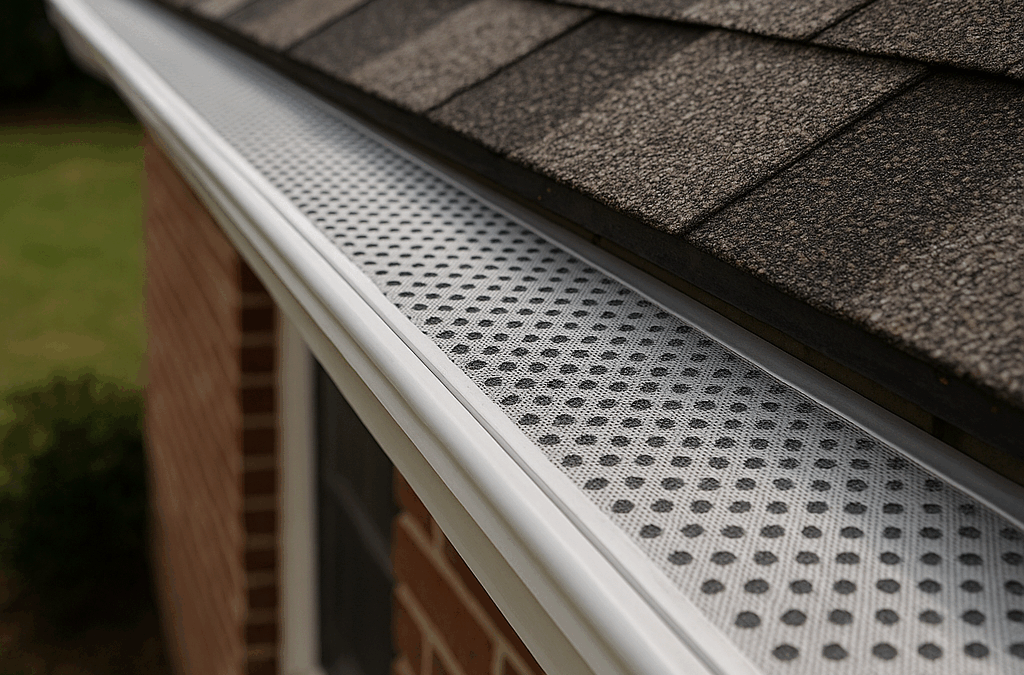
Gutter guards are widely discussed among homeowners looking to lower maintenance demands and improve water control around their properties. This comprehensive, informational guide from Gutters Etcetera in Cincinnati, OH, describes the various gutter guard types, explains why they are relevant to Cincinnati’s climate and foliage, outlines benefits and limitations, and provides practical maintenance guidance for homeowners.
Introduction
Gutter guards are protective components installed over or within gutters to reduce the amount of organic debris and other material that enters the trough while still allowing rainwater to drain. Gutters Etcetera, serving Cincinnati, offers this in-depth resource so local homeowners can make informed choices about guard systems suited to regional weather and tree conditions.
Why Gutter Guards Matter in Cincinnati
Cincinnati’s climate includes frequent spring storms, humid summers, and heavy leaf drop in autumn. Many residential areas have mature trees whose leaves, twigs, and seed pods can quickly clog gutters. Blocked gutters increase the risk of foundation issues, basement seepage, and landscape erosion. Gutter guards can diminish these risks when selected and maintained appropriately.
Types of Gutter Guards
- Screen Guards: Basic mesh or grid covers that block large debris. They are inexpensive and DIY-friendly but less effective against fine particles.
- Micro-Mesh Guards: High-performance screens with small perforations that filter fine debris and shingle grit common in many Cincinnati neighborhoods.
- Reverse Curve / Hood Guards: Use a sloped surface to steer water into the gutter while allowing debris to fall off the roof, though their effectiveness depends on proper installation.
- Foam Inserts: Fit inside the gutter and filter water through porous foam. Affordable but can harbor organic matter and require regular cleaning in humid climates.
- Brush Guards: Simple cylindrical brushes that block larger leaves but need routine cleaning and can trap smaller debris.
- Solid Covers with Narrow Slots: Provide a near-seamless cover with a small slot to admit water while excluding debris. These can be effective but must handle heavy rainfall volumes without causing overflow.
Benefits of Gutter Guards
- Reduced Cleaning Frequency: Guards reduce the volume of debris in gutters, cutting down on the need for manual cleanouts.
- Improved Drainage in Moderate Rain: By keeping large debris out, guards can maintain flow capacity during many rain events.
- Safer Home Maintenance: With fewer cleanings, homeowners spend less time on ladders and at risk of falls.
- Potential Decrease in Pest and Mold Habitat: Reducing standing organic matter can lower conditions that attract pests and support mold growth.
Limitations and Risks
- Not Completely Maintenance-Free: Debris may accumulate on top of guards or in downspouts; occasional inspection is still required.
- Varies with Debris Type: Cincinnati’s mix of large leaves and fine seed pods means micro-mesh or fine-strainer solutions often outperform coarse screens.
- Installation Quality Matters: Poorly installed guards can trap water against the roof or cause localized overflow.
- Cost vs. Benefit: Premium guards have higher upfront costs; homeowners should estimate maintenance savings and risk reduction when evaluating options.
Maintenance Best Practices for Cincinnati Homeowners
- Inspect Seasonally: Check gutter guards after spring and fall leaf events, and after major storms, to remove surface material and verify attachment points.
- Maintain Tree Canopy: Trim branches overhanging the roof to reduce the amount of debris that reaches the gutters.
- Ensure Downspout Flow: Confirm guards do not impede downspout inlets and consider installing downspout strainers or cleanouts.
- Observe During a Storm: Watching how water behaves in a hard rain provides the best real-time test of guard performance.
- Professional Assistance for Multi-Story Homes: For two-story or taller homes, consider professional installation and cleaning for safety and effectiveness.
Conclusion
Gutter guards can be a practical part of a broader water-management strategy for Cincinnati homes, particularly in areas with heavy foliage and seasonal leaf drop. Gutters Etcetera, based in Cincinnati, OH, recommends homeowners carefully evaluate guard types against local debris characteristics, plan for periodic inspection, and consider professional installation for complex roofs. With the right selection and maintenance, gutter guards can help reduce clog-related risks and simplify routine upkeep.