
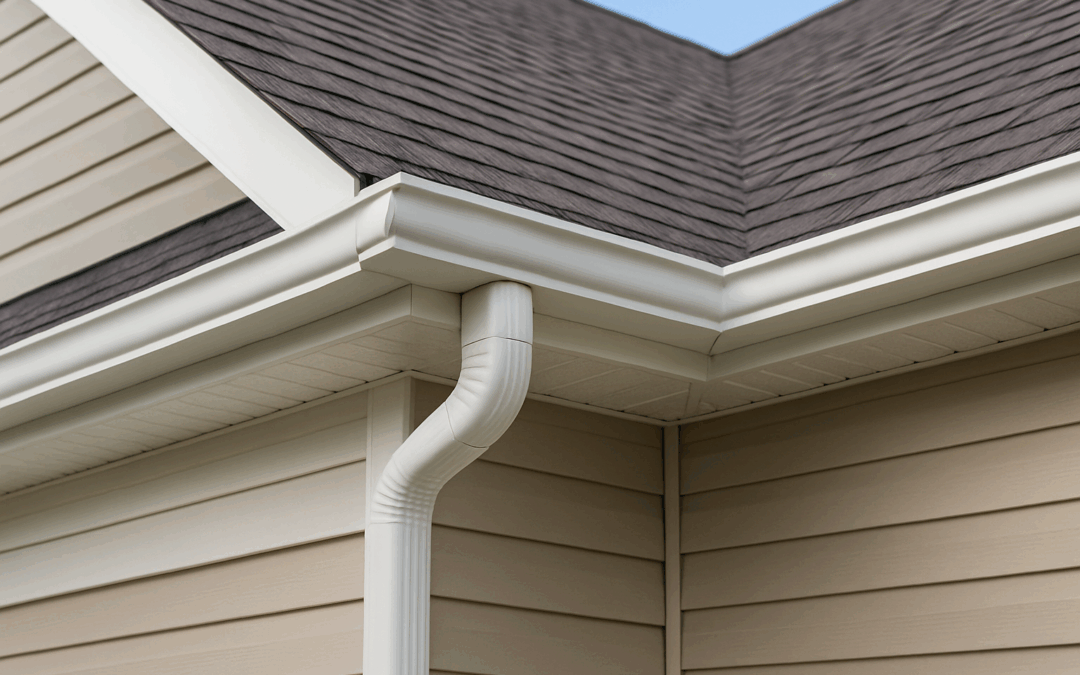
Water management is a key concern for homeowners in Cincinnati, OH, where the climate brings regular rainfall, thunderstorms, and seasonal changes. While gutters are designed to collect water from the roof, it is downspouts that ensure water is moved safely away from the property. In this comprehensive, educational post, Gutters Etcetera of Cincinnati explores the importance of gutter downspouts, their advantages, risks, and practical tips for local homeowners.
What Are Gutter Downspouts?
Downspouts are vertical pipes attached to gutter systems, channeling rainwater from the roofline down to the ground and away from the home’s foundation. Typically constructed from aluminum, steel, copper, or vinyl, downspouts are available in various sizes and shapes to suit different home designs and water volumes.
Why Downspouts Matter in Cincinnati
Cincinnati faces frequent rainstorms, wet springs, and heavy leaf fall in autumn, all of which can put pressure on gutter systems. Local soils, often clay-rich, drain slowly, making it critical to move water well away from the foundation to prevent pooling, erosion, and basement leaks.
Key Benefits of Proper Downspout Installation
1. Foundation Protection
Downspouts help prevent water from collecting near the foundation, reducing risks of cracking, shifting, or basement flooding.
2. Landscape Preservation
By directing water away from gardens, lawns, and walkways, downspouts protect against erosion and plant damage.
3. Siding and Exterior Safeguards
Efficient water management keeps siding and exterior walls dry, minimizing rot, mildew, and cosmetic damage.
4. Reduced Pest and Mold Issues
Standing water encourages mold growth and attracts pests such as mosquitoes and termites; downspouts help keep these threats at bay.
5. Gutter System Efficiency
Downspouts prevent gutter overflow, reducing maintenance needs and prolonging the life of the system.
Common Downspout Problems and Risks
1. Clogging
Leaves, twigs, and debris can block downspouts, especially in autumn, causing gutters to overflow and water to pool.
2. Poor Placement
Downspouts that discharge water too close to the home or in low spots can worsen drainage problems.
3. Damage and Detachment
Storms, heavy rainfall, or accidental impact can bend or disconnect downspouts.
4. Insufficient Quantity
Larger roofs require multiple downspouts to handle the volume of runoff.
5. Seasonal Freezing
Freezing temperatures can block downspouts, while autumn leaf drop can cause clogs.
Practical Knowledge for Cincinnati Homeowners
Inspection and Maintenance
- Inspect downspouts at least twice a year and after major rain events.
- Use a hose or plumber’s snake to clear blockages.
- Check for leaks, rust, and ensure secure attachment.
Water Discharge
- Use extensions or splash blocks to move water several feet from the foundation.
- Consider underground drainage for persistent pooling or clay-heavy soils.
Sizing and Placement
- Place downspouts every 20–30 feet of gutter.
- Match the diameter to expected water volume for your roof size.
Maintenance Tips
- Secure downspouts and angle for optimal flow.
- Clear before winter to prevent freezing.
- Inspect after storms for damage or misalignment.
Conclusion
Gutter downspouts are a vital part of water management for Cincinnati homes, helping protect foundations, landscaping, and overall structural integrity. Gutters Etcetera of Cincinnati, OH, encourages homeowners to understand the function, benefits, and maintenance needs of downspouts to keep their property safe from regional weather challenges. By staying informed and proactive, Cincinnati residents can defend their homes against water-related risks.