In a city like Cincinnati, Ohio, where seasonal rain, snow, and freezing temperatures are common, protecting your home from water damage is more than just a concern—it’s a necessity. One key feature that helps direct water away from your roof and foundation is the gutter drip edge. Though small in size, this component plays a big role in maintaining the effectiveness of your roofing and gutter system.
In this article, Gutters Etcetera of Cincinnati, Ohio, provides a detailed and purely informational overview of gutter drip edges: what they are, how they work, and why they’re especially important in the local climate.
What Is a Gutter Drip Edge?
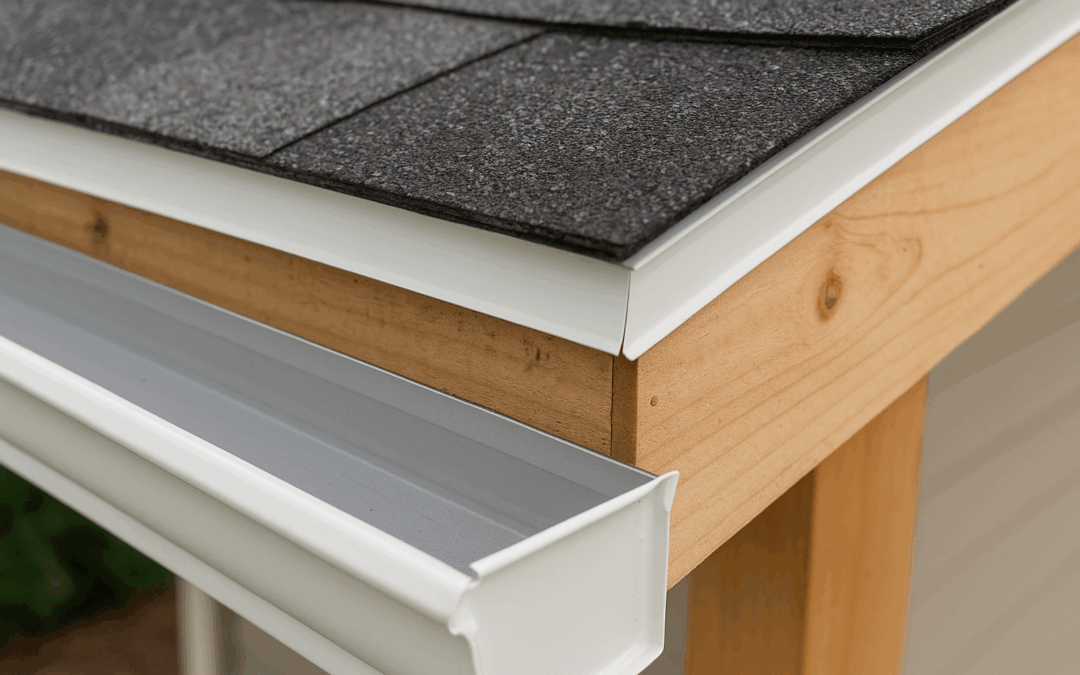
A gutter drip edge is a piece of angled metal flashing that is installed along the edges of a roofline, right where the shingles meet the fascia board. Its primary purpose is to guide rainwater off the roof and directly into the gutter, preventing it from seeping behind the gutter or under the shingles.
By creating a physical barrier at the roofline, a drip edge helps protect the fascia, soffit, and roof decking from water infiltration and long-term damage.
Why Drip Edges Matter in Cincinnati
Cincinnati experiences a wide range of weather conditions—heavy spring rains, humid summers, autumn storms, and snowy winters. These changes can take a toll on roofing systems. A properly installed drip edge helps manage water flow during every season and reduces the risk of:
- Fascia board rot from trapped moisture
- Ice dams forming along roof edges in the winter
- Gutter overflow and leaks during rainstorms
- Foundation erosion due to misdirected runoff
With this in mind, understanding the role of the drip edge is crucial for protecting your home against water-related issues year-round.
Primary Functions of a Gutter Drip Edge
- Guides Water Into the Gutter System
Drip edges prevent water from dripping behind the gutter, which can damage the siding or fascia and lead to internal moisture problems. - Protects Roofing Components
Water that seeps under shingles can damage the roof deck and cause premature deterioration. The drip edge keeps water on the proper path—off the roof and into the gutter. - Defends Against Wind-Driven Rain and Snow
Especially during Cincinnati’s stormy seasons, a drip edge offers an additional line of defense against wind-blown precipitation getting under roofing materials. - Prevents Soil Erosion Around the Foundation
By channeling water into gutters and downspouts, the drip edge helps reduce the chances of water pooling near the home’s base.
Types of Drip Edge Profiles
There are different styles of drip edges, and the best type depends on your roof design and climate:
- Type C (L-style): A basic 90-degree angle, often used when gutters are mounted close to the fascia.
- Type D (T-style or D-metal): Includes a longer flange that extends out and away from the fascia, offering better water redirection.
Because Cincinnati sees frequent rain and snowmelt, Type D drip edges are often recommended for enhanced water control.
Drip Edge Materials: What’s Common in Ohio?
Several materials are used for drip edges. The right choice depends on durability, cost, and local weather:
- Aluminum: Lightweight, rust-resistant, and easy to install. Widely used in Ohio for residential properties.
- Galvanized Steel: Stronger than aluminum, with a protective zinc coating to reduce rust. Good for areas with heavier snowfall.
- Copper: Durable and attractive, but significantly more expensive. Usually reserved for premium or historic homes.
For most Cincinnati homes, aluminum and galvanized steel provide a strong balance between affordability and longevity.
Code Requirements and Installation Standards
Drip edge installation isn’t just a best practice—it’s often required by building codes. The International Residential Code (IRC) mandates that drip edge flashing be installed at the eaves and rake edges of shingle roofs. Flashing should extend over the roof deck and beneath the underlayment, with enough projection to direct water into the gutter.
Local building codes in Cincinnati typically follow IRC guidelines, making proper installation essential for code compliance and insurance purposes.
Common Signs of Drip Edge Issues or Absence
If you’re not sure whether your home has a drip edge or if it’s doing its job properly, watch for these signs:
- Water stains on fascia or soffits
- Leaks behind gutters during or after rain
- Shingles curling at the edge of the roof
- Mold or rot near the roofline
- Gutters pulling away from the roof due to water damage behind them
A visual inspection from the ground may not be enough to confirm the presence or condition of a drip edge, so more thorough evaluations may be needed.
Drip Edge Maintenance Tips
Drip edges are fairly low maintenance, but routine checks help ensure continued performance:
- Inspect Annually: Look for rust, bends, or gaps between the roof and flashing.
- Keep Gutters Clean: Clogged gutters can cause water to back up under the shingles, reducing the effectiveness of the drip edge.
- Check After Storms: Wind, debris, or ice can sometimes loosen or damage flashing.
- Look for Paint Wear: If the drip edge is painted, inspect for peeling or exposed metal that may corrode over time.
How the Drip Edge Fits Into the Full Gutter System
Think of the drip edge as the starting point of your entire gutter and drainage system. If water doesn’t flow cleanly off the roof and into the gutter, the rest of the system can’t do its job effectively. A complete system includes:
- Properly pitched gutters
- Downspouts with sufficient drainage
- Leaf guards or screens to reduce clogs
- Soffit and fascia systems that resist water exposure
Each element depends on the drip edge doing its part at the roofline.
Conclusion
A gutter drip edge may be a small strip of metal, but its role in protecting homes from water damage is anything but minor. Especially in a region like Cincinnati, Ohio, where changing seasons bring a variety of moisture challenges, having a functioning drip edge is key to long-term roof and gutter system performance.
This informational guide from Gutters Etcetera of Cincinnati, OH, is designed to help local homeowners understand the importance of the drip edge in keeping their homes safe, dry, and well-maintained. By staying informed and attentive to the condition of your roofing components, you can better safeguard your investment against the elements.