
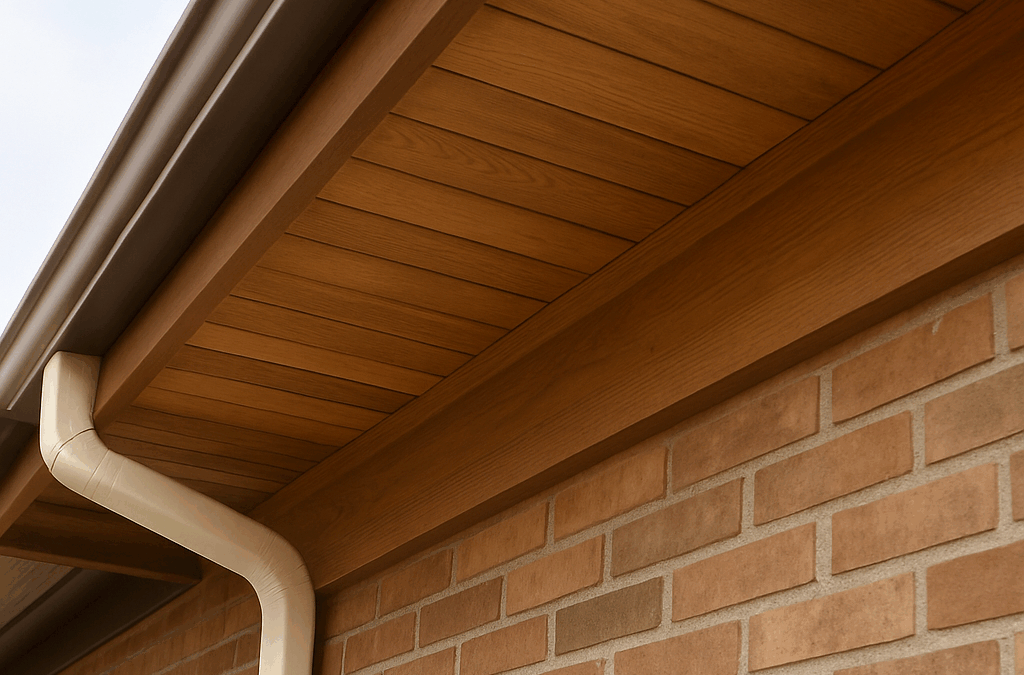
In the scenic neighborhoods of Cincinnati, Ohio, where historic charm meets Midwestern resilience, one home exterior feature continues to quietly protect and preserve buildings across the city: the wood soffit. Though often overlooked, wood soffits serve both a functional and aesthetic role in residential architecture. They help with ventilation, guard against pests and moisture, and add a polished finish to rooflines.
This comprehensive, SEO-optimized blog post is designed to educate homeowners about the purpose, benefits, challenges, and maintenance requirements of wood soffits. It is provided purely for informational purposes by Gutters Etcetera, a Cincinnati-based company familiar with the unique needs of homes throughout Southwest Ohio.
What Is a Wood Soffit?
A soffit is the underside of the roof overhang—the flat surface connecting the roof edge to the exterior wall of the house. While soffits can be made from various materials like vinyl, aluminum, or fiber cement, a wood soffit uses natural timber or engineered wood panels for construction.
In many Cincinnati homes, especially those built in the early 20th century or influenced by Craftsman, Colonial, or Tudor architectural styles, wood soffits remain an integral component of the home’s original exterior design.
What Does a Soffit Do?
Although it may seem like a minor detail, the soffit performs several important tasks:
- Ventilation: Vented soffits allow fresh air to flow into attic spaces, helping regulate temperature and prevent moisture buildup.
- Moisture Protection: By enabling airflow and blocking precipitation, soffits help reduce the risk of mold and rot in roof structures.
- Pest Prevention: Properly installed soffits seal off access points that could allow insects, birds, or rodents into the attic.
- Aesthetic Appeal: Soffits contribute to a finished, cohesive look between the roof and exterior walls, enhancing overall curb appeal.
Why Wood Soffits Are Popular in Cincinnati
Cincinnati’s housing stock includes a wide range of historic homes, particularly in neighborhoods like Hyde Park, Mount Lookout, Oakley, Clifton, and Northside. Many of these homes were built using wood soffits to match their architectural style.
Here are several reasons why wood soffits are still valued by homeowners:
1. Timeless Look
Wood has a warm, traditional appearance that suits the historic and craftsman-style homes common in Cincinnati’s older neighborhoods.
2. Custom Finishes
Wood can be painted or stained to match or complement trim, fascia, siding, and shutters. This allows for greater customization than most synthetic materials.
3. Localized Repairs
If a section of the soffit becomes damaged, the affected boards can often be replaced individually without removing the entire structure.
Types of Wood Used for Soffits
Choosing the right wood type is important for durability, aesthetics, and cost. Some commonly used woods for soffits include:
- Cedar – Naturally resistant to decay and insects; a premium choice for longevity.
- Pine – More affordable, easy to paint, but requires frequent maintenance.
- Redwood – Offers rich color and rot resistance but is more costly and less common in the Midwest.
- Plywood – Often used for cost-effectiveness and uniformity; typically covered with exterior paint or veneer.
Climate Considerations in Cincinnati
Cincinnati experiences four distinct seasons, with humid summers, wet springs, and cold winters—all of which impact wood soffits.
1. Moisture and Humidity
Spring rains and summer humidity can lead to moisture absorption, causing the wood to expand, contract, or rot over time.
2. Winter Freeze-Thaw
Cincinnati’s winter freeze-thaw cycles may damage soffits if moisture is trapped in the wood and allowed to freeze, leading to cracking or peeling paint.
3. Insect Activity
Like most organic materials, wood can attract termites, carpenter bees, and other pests if not treated and maintained properly.
Maintenance Tips for Wood Soffits
Proper care is essential to maximize the life of a wood soffit, especially in a climate like Cincinnati’s. Homeowners may consider the following maintenance practices:
- Routine Inspections: Check for discoloration, peeling paint, or soft spots at least once a year—particularly after heavy rain or snow seasons.
- Repaint or Restain: Every few years, apply fresh exterior-grade paint or stain to seal the wood against UV rays and moisture.
- Clean Gutters Regularly: Clogged gutters can overflow and damage nearby soffits. Keeping gutters clean is essential for soffit preservation.
- Seal Cracks and Joints: Use exterior caulking to prevent water intrusion and insect access.
- Ensure Ventilation: If soffits are vented, inspect them periodically to ensure vents are not blocked by debris or insulation.
How Soffits Work with Fascia and Gutter Systems
The soffit is just one part of a trio that protects your home’s roof edge, along with the fascia (the vertical board at the roofline) and the gutter system. Together, these components help manage water, ventilation, and roof protection:
- Fascia Boards: Usually where gutters are mounted. These boards also serve to support the edge of the roof and complete the eave’s structure.
- Gutters: Direct rainwater away from your home’s foundation and walls, preventing water damage.
- Soffits: Protect the underside of the eaves and help ventilate the attic.
When one part of this system fails—such as a deteriorating wood soffit—it can affect the performance of the others. For example, rotted soffits may weaken the support for attached gutters or allow pests to enter the attic space.
Wood Soffit Alternatives
While wood is still a preferred choice for many homeowners, particularly for historical homes, there are alternative materials available that require less maintenance:
- Vinyl Soffits: Lightweight, low-maintenance, and cost-effective. Available in various colors and styles.
- Aluminum Soffits: Durable and rust-resistant, though more expensive than vinyl.
- Fiber Cement or Composite: Mimic the appearance of wood while offering superior moisture and insect resistance.
The right choice depends on the style of the home, maintenance preferences, and budget.
Wood Soffits and Historic Preservation in Cincinnati
Many homes in Cincinnati are located in designated historic districts, including Over-the-Rhine, East Walnut Hills, and parts of Columbia-Tusculum. For these homes, maintaining the original architectural elements—including wood soffits—is often necessary for compliance with historical preservation guidelines.
Homeowners planning exterior updates should research whether their property is subject to local preservation ordinances. These may influence material selection or require approval for exterior changes.
Conclusion
The wood soffit is a fundamental but often overlooked element of your home’s exterior. It serves important roles in ventilation, weather protection, and visual appeal—particularly in Cincinnati’s historic and diverse neighborhoods. Whether your home is a restored Victorian in Northside or a classic ranch in Anderson Township, understanding the function and maintenance of wood soffits can help preserve its value and structural integrity.