
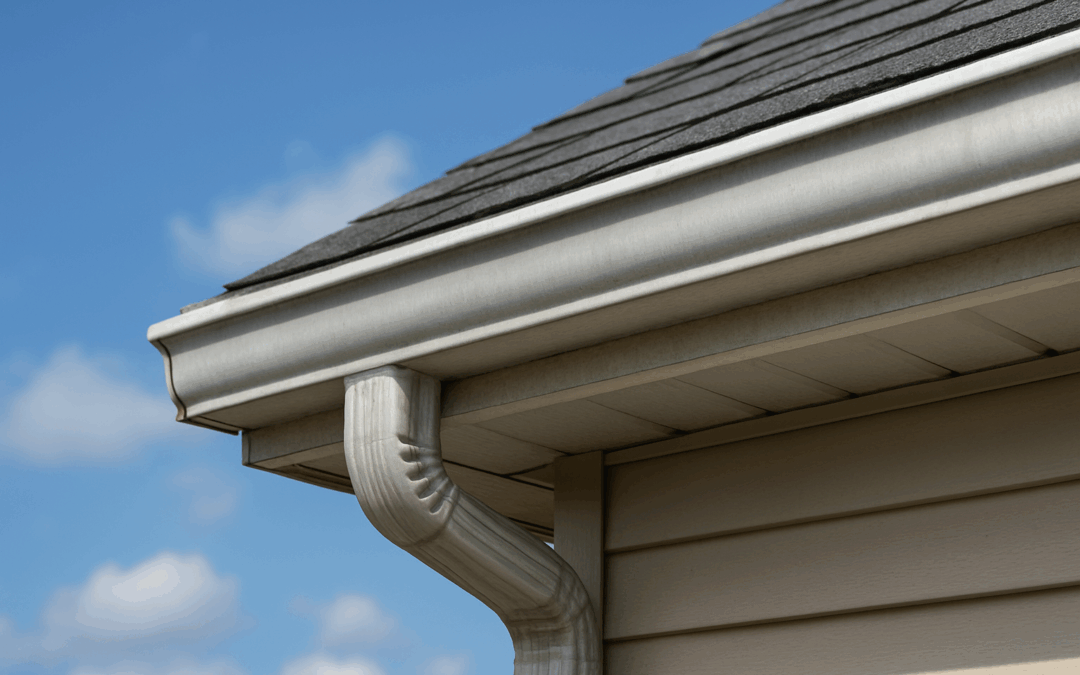
Gutter systems are often evaluated by their visible channels, downspouts, and guards, but the hardware supporting those components is just as important. Gutter hangers, brackets, screws, spikes, and fasteners hold the gutter along the roofline, maintain the correct drainage slope, and help the system resist the weight of rainwater, leaves, debris, and winter ice. When these support components loosen or fail, gutters can sag, overflow, separate from the fascia, and contribute to unwanted water exposure around the home. Gutters Etcetera believes Cincinnati, Ohio homeowners benefit from understanding how gutter hangers and fasteners work, why support problems develop, and what signs may indicate that a gutter system needs attention.
The Connection Between Support and Drainage
A gutter must stay in the correct position to drain properly. The channel is installed with a slight slope toward the downspout so water can move away from the roof edge. Hangers and fasteners preserve this slope by holding the gutter at consistent points along the fascia.
If one hanger loosens, the gutter may begin to dip. This creates a low section where water remains after rainfall. Once water is retained, leaves, roof granules, and sediment are more likely to collect in the same location. The added debris holds moisture and increases the total weight placed on the gutter.
This process can create a compounding problem. More weight causes more sagging, which leads to slower drainage, more debris retention, and an increased chance of overflow. In Cincinnati’s climate, retained water also creates a winter concern because it can freeze during cold weather and add significant ice weight to a gutter that is already under strain.
Properly functioning hangers are therefore not simply installation hardware. They are part of the drainage design that allows the gutter system to carry water efficiently from the roof to the downspout.
Common Hanger and Fastener Systems
Several types of gutter supports may be present on Cincinnati homes.
Hidden hangers are the most common support type for newer K-style gutters. They are placed inside the gutter and attached through the rear of the channel into the fascia board. Their concealed design helps maintain a clean appearance while providing distributed support.
Spike-and-ferrule systems are common on older installations. A metal spike passes through the gutter and through a cylindrical spacer, called a ferrule, before entering the fascia. The ferrule holds the gutter’s shape, but the smooth spike can gradually loosen as weather conditions and gutter weight create movement.
Fascia brackets attach to the board behind the gutter and may remain visible. They are used with certain gutter profiles and can be especially common on traditional or decorative installations.
Half-round brackets and straps support half-round gutter systems, often seen on historic homes. Cincinnati’s Victorian, Italianate, Craftsman, and Colonial Revival properties may use these systems because they suit the architectural character of older rooflines.
Roof straps may extend underneath roof materials or connect near the roof edge to support the gutter from above. These are used in specific situations where direct fascia attachment is limited or where additional support is needed.
Each system relies on secure fasteners and a stable mounting surface to carry gutter loads effectively.
Why Gutter Supports Fail in Cincinnati
Cincinnati’s four-season climate exposes gutters to substantial mechanical and moisture-related stress. Heavy spring rainfall, summer thunderstorms, autumn leaf drop, winter ice, and repeated freeze-thaw cycles all affect gutter support systems.
The city’s dense tree canopy adds considerable debris loading. Sycamores, oaks, beeches, maples, hickories, and other hardwoods drop leaves, twigs, seed balls, and branches into gutter channels. When this material becomes wet, it can weigh much more than homeowners expect. A gutter filled with saturated leaves and standing water can strain hardware designed primarily to support flowing water.
Winter conditions are especially significant. Cincinnati experiences freeze-thaw cycles that can turn retained gutter water into ice. Ice is heavy, and its expansion can affect joints, debris accumulations, and mounting points. A gutter section that sags slightly in autumn may become heavily stressed during a winter ice event.
Wind can also loosen hardware. High winds may move gutters enough to widen existing gaps, pull screws from weakened fascia, or bend exposed brackets. A branch strike can distort the gutter channel and create a support imbalance that becomes more obvious during the next rainfall.
Warning Signs Homeowners Can Observe
Many gutter support issues are visible from ground level. A homeowner should periodically walk around the home and look along the gutter line.
Warning signs include:
- Gutters that sag between support points
- A gutter line that appears uneven or wavy
- A visible gap between the gutter and fascia
- Loose spikes sticking out from the gutter face
- Bent, missing, or misaligned hangers
- Standing water after rain
- Overflow from a low point rather than near a downspout
- Paint peeling or dark staining behind the gutter
- Gutter sections tilting away from the house
- Downspouts shifting out of alignment
A sagging gutter is often easiest to identify after rain because water may remain in the low section while the rest of the channel has drained. This standing water should not be dismissed as a minor appearance issue. It adds weight, captures debris, and can freeze during winter.
A gutter that pulls away from the fascia can also allow water to run behind the channel. Instead of collecting roof runoff, the system may direct water onto the fascia, soffit, and exterior wall.
Fascia Condition and Mounting Strength
Most gutter hangers are secured to fascia boards. This means gutter support depends not only on the quality of the hanger and screw but also on the condition of the wood behind it.
Fascia boards can deteriorate when they are repeatedly exposed to water. Overflowing gutters, failed joints, roof-edge leaks, and gutters that have already pulled away can all direct water against the fascia. Over time, paint may peel, wood fibers may soften, and fasteners may lose their ability to grip.
When a gutter screw pulls loose, simply replacing the screw may not resolve the issue if the surrounding fascia is moisture-damaged. The mounting surface must be stable enough to hold the system through rain, wind, debris accumulation, and ice loading.
Cincinnati homeowners should look for peeling paint, discoloration, soft-looking wood, cracks, or visible separation behind gutter sections. These can indicate that the fascia itself needs evaluation in addition to the gutter hardware.
Hanger Spacing, Roof Valleys, and Ice Weight
The spacing of hangers affects how much a gutter can flex under load. Wide spacing can allow the channel to bow between supports, particularly when carrying wet debris. Closer, secure support helps the gutter retain its intended profile and slope.
Roof valleys are important locations to observe because they concentrate water from more than one roof plane. A gutter below a valley may receive a sudden, heavy flow during Cincinnati thunderstorms. If the section has loose hangers, poor slope, or debris buildup, overflow may occur even when the rest of the gutter system appears to work well.
Cincinnati’s winter ice events make support spacing especially important. Water trapped in low gutter sections can freeze repeatedly, increasing both weight and mechanical stress. Secure hangers and functional drainage help reduce the conditions that allow damaging ice loads to develop.
Drainage and Foundation Considerations
When support problems cause gutters to sag or separate, the effect can extend to the ground around the home. Overflow may create erosion, wash mulch from beds, stain siding or brick, and saturate soil near the foundation.
For Cincinnati homes with basements, managing roof runoff is especially relevant. Water that repeatedly accumulates near the foundation can contribute to wet basement conditions and hydrostatic pressure against below-grade walls. While basement moisture can have several causes, gutter overflow and poor downspout flow are practical conditions to inspect when water issues follow rainfall.
The gutter’s support system is therefore connected to the larger drainage path: roof collection, gutter conveyance, downspout flow, discharge extension, and ground-level grading.
Conclusion
Gutter hangers and fasteners are critical to the performance and stability of Cincinnati gutter systems. They hold the channel in place, preserve drainage slope, and help the system carry water and debris through changing Ohio Valley weather conditions. For Gutters Etcetera and Cincinnati, Ohio homeowners, signs such as sagging, loose spikes, standing water, gaps behind gutters, bent hangers, and fascia staining can indicate that support components are no longer functioning as intended. By recognizing these conditions early and understanding the relationship between gutter support, drainage, and roofline moisture management, homeowners can make more informed decisions about the care of their exterior drainage systems.