
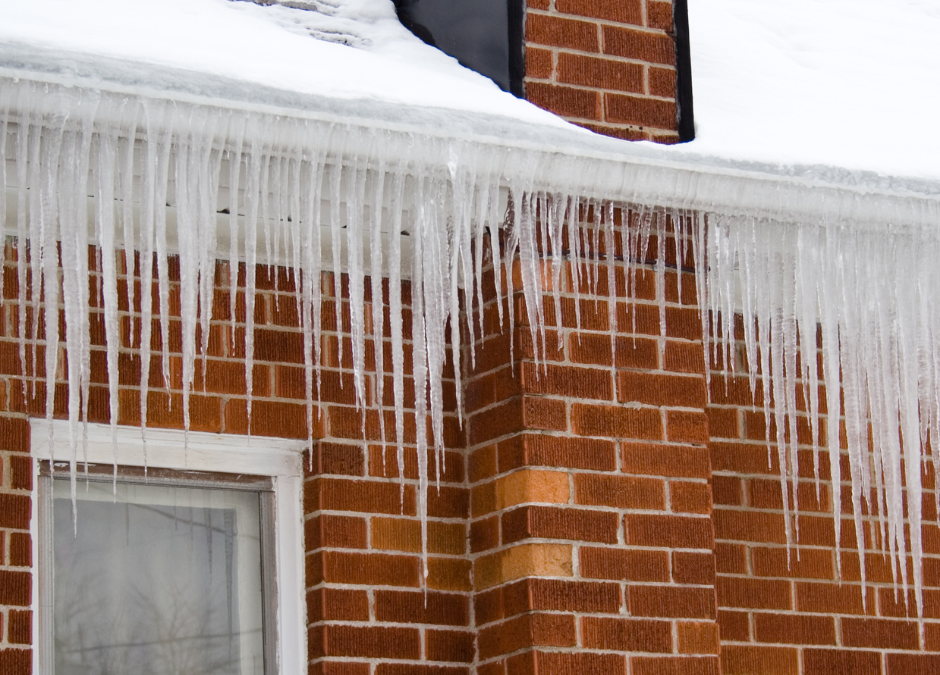
Winter in Cincinnati, Ohio, brings weather conditions that challenge homeowners in unique ways. While attention naturally focuses on heating systems and insulation, gutter systems require equal consideration as winter approaches. Gutters Etcetera has observed that many Cincinnati homes suffer preventable winter damage simply because gutter maintenance was postponed or overlooked. Understanding how winter weather impacts gutters and what homeowners can do to prepare these systems makes the difference between a protected home and expensive repairs.
Cincinnati’s Complex Winter Climate
Cincinnati’s location in the Ohio River Valley creates a winter climate characterized by variability and unpredictability. The city experiences influences from both arctic air masses moving south and milder systems moving northeast, resulting in frequent weather pattern changes. Average January temperatures range from highs near 38°F to lows around 23°F—a range that promotes freeze-thaw cycling particularly damaging to gutter systems.
Annual snowfall in Cincinnati averages 15-20 inches, though individual winters vary dramatically. Some years bring minimal snow while others see multiple significant accumulations. Ice storms pose serious threats, with freezing rain creating hazardous conditions and heavy ice loads on building systems including gutters. The combination of snow, ice, and rain throughout winter months tests gutter capacity and structural integrity continuously.
Lake effect snow from Lake Erie occasionally reaches the Cincinnati area, bringing heavy, wet snow that accumulates rapidly. This dense snow type creates more stress on gutters than lighter, fluffier snow varieties. When it melts, the water volume can overwhelm compromised gutter systems, causing overflow and ice accumulation.
The Ohio River’s proximity adds humidity to winter weather patterns, meaning Cincinnati experiences more freezing rain and sleet than locations at similar latitudes but farther from major water bodies. This precipitation type proves especially problematic for gutters because it enters the system already in a semi-frozen state, readily forming blockages.
The Physics of Frozen Gutters
Understanding what happens inside gutters during freezing conditions helps explain why maintenance matters so critically. Water in any form—rain, melting snow, or ice thaw—enters gutters and flows toward downspouts under normal conditions. However, when temperatures drop below 32°F, water remaining in the gutter system begins freezing.
Ice formation starts at points where water pools—typically in gutter sections with improper pitch, near debris blockages, or at seam locations where flow slows. As water freezes, it expands by approximately 9%, exerting outward pressure on gutter materials. Aluminum and vinyl gutters can bend or crack under this pressure. Seams and joints, even those properly sealed, can separate as ice forces them apart.
Over a single winter, this freeze-thaw process may occur dozens of times in Cincinnati. Each cycle slightly damages gutter integrity. Small separations grow larger. Minor cracks extend further. Fasteners loosen incrementally. By spring, gutters that appeared functional in fall may have significant structural compromises that become apparent during the first heavy rain.
The weight factor compounds these issues. Ice weighs approximately 57 pounds per cubic foot. A standard five-inch K-style gutter holds about 0.19 gallons per linear foot. When completely filled with ice, each foot of gutter weighs roughly 25 pounds—far exceeding the system’s design specifications. A home with 140 feet of ice-filled gutters carries more than 3,500 pounds of additional load on fasteners, hangers, and fascia boards.
Ice Dams: Formation, Impact, and Prevention
Ice dams represent one of winter’s most destructive gutter-related phenomena, and Cincinnati’s climate creates ideal conditions for their development. The process begins with heat escaping through inadequately insulated attics. This heat warms roof surfaces even when outdoor temperatures remain below freezing, causing snow to melt. The meltwater runs down the roof toward gutters, but roof edges (eaves) extend beyond the heated space and remain cold. Water reaching these cold edges refreezes, gradually building an ice ridge.
This ice barrier prevents subsequent meltwater from draining off the roof. Water backs up behind the dam, eventually finding entry points under shingles not designed to resist upward water flow. Once water penetrates the roof system, it damages sheathing, saturates insulation, stains ceilings, drips into walls, and creates environments where mold thrives.
Gutters don’t cause ice dams—inadequate insulation and ventilation do—but gutter condition significantly affects ice dam severity. Clean, properly functioning gutters provide maximum drainage capacity, removing as much water as possible before it can contribute to ice dam formation. Clogged or poorly maintained gutters, conversely, hold water at the roof edge exactly where ice dams begin, making the problem substantially worse.
Prevention requires addressing both building envelope issues and gutter maintenance. Improving attic insulation keeps heat inside living spaces rather than allowing it to warm roof surfaces. Proper ventilation maintains cold roof temperatures that prevent premature snow melting. These measures work alongside clean, well-maintained gutters to minimize ice dam risks.
Debris Problems in Winter Context
Fall leaves receive most attention in gutter maintenance discussions, but debris impacts extend far beyond autumn. Cincinnati’s diverse urban forest includes oak, maple, ash, beech, and numerous other species that contribute leaves, seed pods, twigs, and organic matter to gutters throughout the year. By late fall, significant accumulation exists in most unprotected gutter systems.
When winter arrives, this debris doesn’t simply sit harmlessly in gutters. Instead, it combines with water and ice to create dense, frozen masses that completely block drainage. A few inches of wet leaves that might allow some water passage in warmer months becomes an impenetrable barrier when frozen solid. This blockage guarantees overflow during any winter precipitation event.
The overflow patterns from frozen, blocked gutters prove particularly damaging. Water typically spills over gutter edges at home exteriors, running down siding and accumulating at foundations. In freezing conditions, this water creates ice sheets on walls, coats windows, and freezes around foundation perimeters. The expansion force of freezing water can crack siding, damage windows, and stress foundations—all consequences of seemingly minor debris accumulation.
Downspouts clogged with frozen debris create even more dramatic problems. When downspouts cannot discharge water, entire gutter sections back up regardless of how clean the gutter channels themselves might be. This scenario often occurs at downspout elbows and joints where debris compresses into tight blockages that freeze solid, requiring complete disassembly to clear.
Structural Vulnerabilities Winter Exposes
Winter conditions reveal and exacerbate gutter structural weaknesses that might go unnoticed in other seasons. Loose fasteners allow gutters to sag slightly—perhaps undetectable in summer but critical in winter when ice weight amplifies the problem. These sagging sections create low points where water pools and freezes, making the sag worse in a destructive cycle.
Separated seams that leak slightly during summer rains become major failures in winter. Water escaping through seam gaps freezes on home exteriors, creating ice formations that grow with each thaw-freeze cycle. These ice structures can damage siding, fascia, and soffit materials while the seam separation progressively worsens.
Corroded or damaged hangers may support gutters adequately under normal conditions but fail when ice loads increase weight exponentially. When hangers fail, gutter sections detach from fascia boards, often taking pieces of the fascia with them. Reattaching gutters to damaged fascia requires carpentry repairs beyond simple gutter work.
End caps and outlet seams represent vulnerable points where factory components meet field-installed sections. Winter’s expansion-contraction cycles test these connections repeatedly. Inadequately sealed or poorly fitted components separate under stress, creating leaks that worsen throughout winter and require repair before normal function resumes.
Pre-Winter Maintenance Priorities
Effective winter preparation follows a systematic approach addressing the most critical gutter system components. Begin with thorough cleaning, removing all debris from gutter channels and downspouts. For Cincinnati homes, late October through mid-November provides the ideal window—after most leaves have fallen but before sustained freezing temperatures arrive.
Flushing gutters and downspouts with water serves dual purposes: clearing remaining small debris and testing drainage function. Watch for slow drainage, standing water, or overflow conditions that indicate blockages or pitch problems requiring correction before winter.
Inspect and seal all seams, joints, corners, and end caps. Use appropriate gutter sealant for the material type, applying generous amounts to ensure complete coverage. Allow sealant to cure properly according to manufacturer specifications before cold weather arrives.
Check and secure all mounting hardware. Tighten loose screws, replace damaged hangers, and add additional fasteners to sections that appear undersupported. Cincinnati’s ice loads demand robust mounting systems capable of handling stresses well beyond normal design parameters.
Verify proper gutter pitch throughout the system. Gutters should slope approximately ¼ inch per 10 feet of run toward downspouts. Use levels and string lines to check pitch, adjusting hangers as needed to create optimal drainage angles.
Examine fascia boards for rot, decay, or water damage. Soft or deteriorated fascia cannot support gutter systems adequately, especially under winter ice loads. Address fascia repairs before temperatures drop and materials become difficult to work with.
Protection Systems and Upgrades
Beyond basic maintenance, several protective measures enhance winter gutter performance. Gutter guards or leaf protection systems dramatically reduce debris accumulation, lowering maintenance frequency and improving winter drainage. While these systems require initial investment, their debris-blocking benefits prove particularly valuable in Cincinnati’s tree-rich neighborhoods.
Heat cable systems installed along roof edges and in gutters prevent ice accumulation by maintaining temperatures above freezing. These electrically heated cables create drainage channels through snow and ice, preventing dam formation and keeping gutters functional throughout winter. Proper installation and circuit protection make these systems safe and effective winter protection tools.
Downspout extensions that direct water at least five feet from foundations prevent basement flooding and foundation damage. In winter, these extensions should be positioned to deposit water where freezing won’t create hazards or damage. Some homeowners disconnect extensions in winter to prevent ice accumulation, though this requires careful consideration of drainage alternatives.
Splash blocks and drainage systems that capture and redirect downspout water away from homes provide year-round benefits with special winter advantages. These systems prevent ground saturation near foundations where freeze-thaw cycles can cause cracking and structural issues.
Conclusion
Winter preparedness for Cincinnati homes extends well beyond furnace checks and window weatherization. Gutter systems face severe tests during Ohio winters, with freeze-thaw cycles, ice storms, and variable precipitation creating conditions that expose every weakness in unprepared systems. Gutters Etcetera understands that Cincinnati-area homeowners equipped with knowledge about winter gutter challenges can take proactive steps to protect their properties. By addressing gutter maintenance before winter weather arrives, Cincinnati residents prevent ice damage, water infiltration, structural problems, and the costly repairs that result when winter storms encounter neglected gutter systems. The time invested in fall preparation pays continuous dividends throughout winter in the form of a dry, protected, damage-free home.