Cincinnati, Ohio, experiences a variety of weather patterns throughout the year, including frequent rain showers and storms that can affect how water moves across your property. Properly managing rainwater runoff is critical for protecting your home’s foundation from potential damage caused by erosion, water pooling, or soil shifting. Gutters Etcetera shares this informative guide to help Cincinnati homeowners better understand rainwater runoff, its effects on foundations, and important factors to consider for effective water management.
What Is Rainwater Runoff?
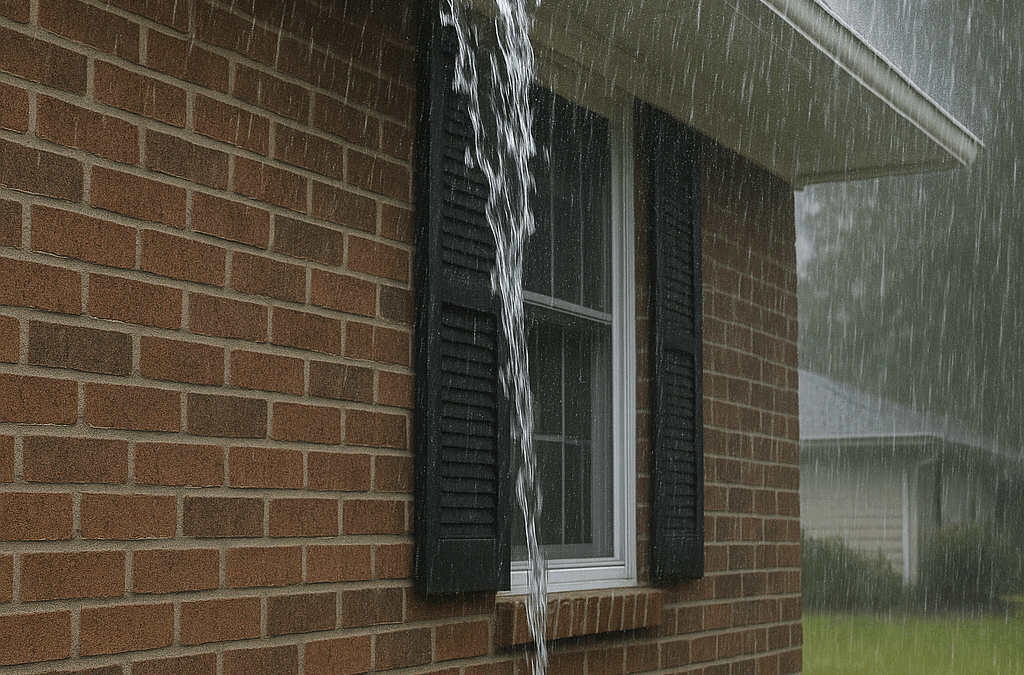
Rainwater runoff is the water that flows over your roof, lawn, driveways, sidewalks, and other surfaces after rainfall. While some of this water naturally absorbs into the soil, excess runoff travels toward lower areas, storm drains, or waterways.
In Cincinnati’s climate, characterized by seasonal rain and occasional heavy storms, managing runoff is essential to prevent water accumulation near homes and reduce soil erosion risks.
How Rainwater Runoff Can Affect Foundations
Foundations rely on stable, dry soil for support. When runoff isn’t properly directed, it can cause a variety of foundation issues, including:
1. Soil Erosion
Rapid water flow can wash away soil around your foundation, creating voids and reducing the soil’s ability to support your home.
2. Hydrostatic Pressure
Excess moisture in the soil increases pressure on basement and crawl space walls, which can lead to cracks, leaks, or bowing.
3. Foundation Settlement
Water saturation can cause soil to shift or compress unevenly, leading to foundation settling, which may cause uneven floors and structural stress.
The Importance of Gutters in Runoff Control
Gutters are the first line of defense against uncontrolled rainwater runoff. They catch rainwater from the roof and channel it through downspouts, directing it away from your foundation. Without gutters, water falls directly from the roof edge, concentrating in specific spots and increasing erosion potential.
Cincinnati’s mix of urban and suburban environments, combined with frequent precipitation, makes gutters a critical component in managing runoff effectively.
Warning Signs of Runoff Problems
Watch for these common signs that runoff may be negatively impacting your property:
- Water pooling near the foundation after rain
- Mud splatter or displaced soil around your home’s base
- Cracks in basement walls or floors
- Washouts in landscaping or garden beds
- Persistent dampness or musty odors in basements or crawl spaces
Cincinnati-Specific Factors Influencing Runoff
Several local conditions influence how runoff behaves:
- Soil Type – Cincinnati’s soils often have clay content, which expands when wet and contracts when dry, increasing foundation movement risk.
- Seasonal Rainfall – Heavy spring and fall rains can saturate soil quickly.
- Topography – Some Cincinnati neighborhoods have sloped terrain, causing water to flow rapidly toward homes.
- Urbanization – Pavement and roofs increase runoff volume by reducing natural absorption.
Common Ways to Manage Rainwater Runoff
Different properties require different solutions, but common methods include:
- Splash Blocks – Placed under downspouts to spread water and reduce erosion.
- Downspout Extensions – Carry water further from the foundation.
- French Drains – Subsurface drainage systems that redirect excess water.
- Proper Grading – Adjusting soil slopes to move water away from the home.
Landscaping for Effective Runoff Management
Landscaping plays a vital role in runoff control. Rain gardens, native plants, and permeable surfaces allow water to soak in rather than run off rapidly. Native Ohio plants such as wild geranium, blue vervain, and black-eyed Susan are well-suited for helping to absorb water and reduce soil erosion around your property.
Seasonal Tips for Runoff Care in Cincinnati
- Spring – Prepare for frequent storms and saturated soil.
- Summer – Watch for intense thunderstorms causing sudden runoff spikes.
- Fall – Keep gutters clear of falling leaves to maintain flow.
- Winter – Monitor for freeze-thaw cycles that can affect soil and drainage.
Conclusion
Proper management of rainwater runoff is essential for preserving the health and stability of your home’s foundation. By understanding how runoff moves across your property and considering practical ways to control it, you can minimize risks related to soil erosion and water damage.