
When it comes to protecting a home from water damage, most people think about gutters first. But while gutters are critical for catching rainwater as it runs off the roof, downspouts are just as important — and where they are placed makes a big difference in how well the system works. In Cincinnati, OH, where the weather can quickly shift from light rain to intense storms, understanding the role of proper downspout placement is key to effective rainwater management. Gutters Etcetera shares this informational guide to help homeowners learn how strategic downspout positioning can protect their property from water-related issues.
What is a Downspout and Why Does Placement Matter?
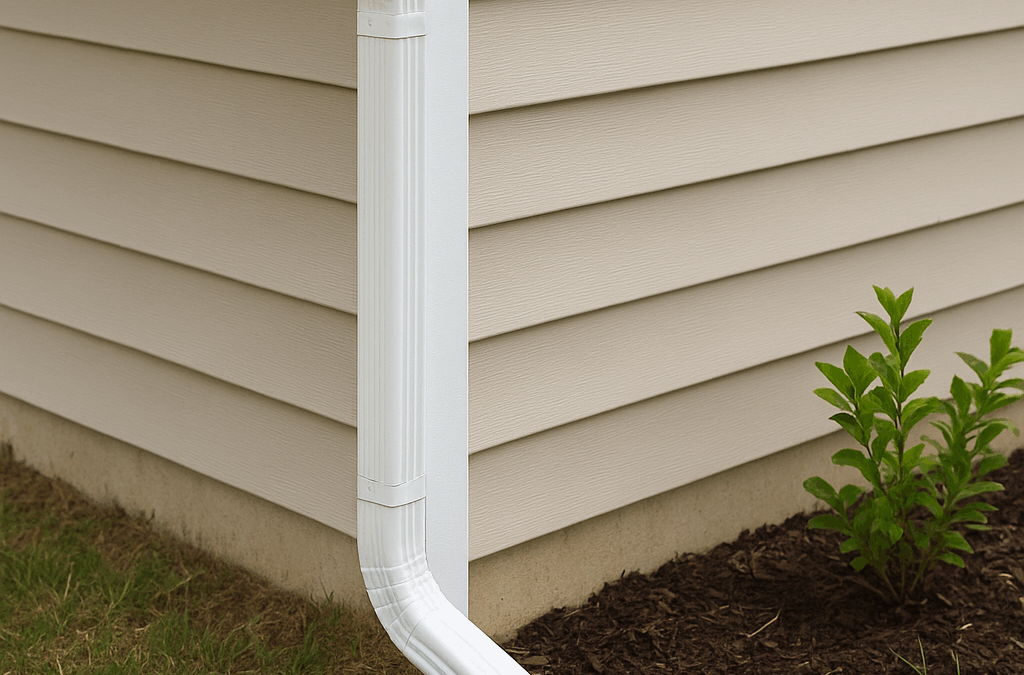
A downspout is the vertical pipe that carries water from the horizontal gutter system down to the ground or into a drainage system. While it seems like a simple component, its placement affects several important areas of home protection:
- Foundation Safety – Water that exits too close to the foundation can cause erosion, basement leaks, or structural cracks over time.
- Landscaping Health – If water pours into the wrong spot, it can wash away mulch, drown plants, or create muddy problem areas.
- Exterior Protection – Properly placed downspouts help prevent splashing that can damage siding, soffits, and fascia boards.
In short, good downspout placement isn’t just about getting water off the roof — it’s about controlling where that water goes next.
General Guidelines for Downspout Placement
While every home is unique, there are some common best practices used to guide downspout positioning:
- One Downspout Every 20–30 Feet – This helps prevent long sections of gutter from becoming overwhelmed during heavy rain.
- Slight Gutter Slope Toward Downspouts – Encourages water to flow naturally to the exit point without pooling in the gutters.
- Corner Placement – A common approach for efficiency, provided the water has a clear path away from the home.
- Avoiding Water Hazards – Downspouts should not empty onto sidewalks, driveways, or areas prone to pooling.
Cincinnati Weather and Its Impact on Downspout Needs
Cincinnati’s weather patterns make strategic downspout placement especially important:
- High Rainfall – The city receives over 40 inches of rain annually, with spring and summer storms producing heavy bursts of water.
- Seasonal Storms – Sudden downpours can overwhelm systems without enough downspouts or proper drainage routes.
- Winter Snowmelt – Melting snow combined with rain can add extra strain to gutter systems in late winter and early spring.
- Mixed Soil Types – Some areas have clay-rich soil that drains slowly, while others have sandy patches that erode easily — both affect where water should exit.
These factors mean that downspout placement in Cincinnati often requires a careful look at both weather trends and yard drainage capabilities.
Extensions and Additional Drainage Solutions
Even if downspouts are in the right place, the water still needs to travel far enough away from the home. This is where extensions and other drainage tools come in:
- Splash Blocks – Help disperse water over a wider area to reduce erosion.
- Flexible or Rigid Extensions – Carry water farther from the foundation, sometimes several feet away.
- Underground Drainage Pipes – Direct water to a safe discharge point without creating surface runoff.
- Rain Gardens – Attractive landscaping features that absorb and filter runoff naturally.
The right solution often depends on the property’s slope, available space, and soil type.
Signs of Poor Downspout Placement
It’s not always obvious that downspouts are poorly placed — but there are telltale signs:
- Water Pooling Near the Home – A sign that water isn’t traveling far enough from the foundation.
- Overflowing Gutters – Could indicate the nearest downspout is too far away from where water collects.
- Erosion at the Exit Point – Suggests water is flowing out too forcefully in one spot.
- Water Stains on the Foundation or Siding – May result from splashing or improper water direction.
The Connection Between Maintenance and Downspout Efficiency
Even perfectly placed downspouts won’t work well if the gutters leading to them are clogged. Leaves, twigs, and other debris can block water flow, forcing it over the side of the gutter instead of into the downspout. In a city like Cincinnati — with plenty of trees and frequent storms — keeping gutters clean is essential to:
- Ensure water flows freely toward each downspout.
- Maintain full drainage capacity.
- Reduce the risk of overflow and foundation damage.
Final Thoughts
Downspout placement may seem like a small detail, but it plays a major role in managing rainwater effectively. By understanding how downspouts work, where they should be located, and how Cincinnati’s unique weather and soil conditions affect water movement, homeowners can better protect their property. Gutters Etcetera values providing educational resources like this so Cincinnati residents can make informed decisions about rainwater management and gutter system design.