Introduction
Cincinnati’s distinctive architecture, from Victorian-era homes to modern residences, each requires proper water management to stand the test of time. One component that many Cincinnati homeowners overlook when considering gutter system protection is the gutter drip edge—a critical trim piece that prevents water damage to your home’s structure. Gutters Etcetera in Cincinnati, OH recognizes that comprehensive gutter protection requires careful attention to every component, including proper drip edge installation and maintenance that shields your home from the region’s precipitation and seasonal weather challenges.
Understanding Gutter Drip Edge
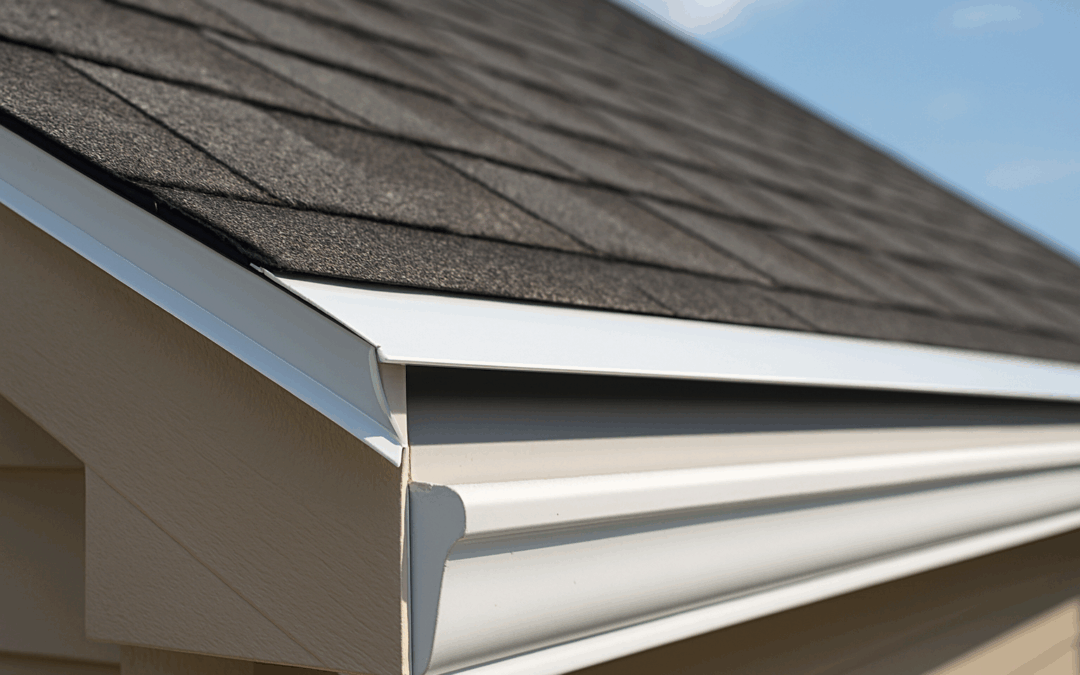
A gutter drip edge is a metal trim component installed at the critical junction where your roof meets your gutter system. Designed with an L-shaped or angled profile, the drip edge acts as a water management device that channels water from your roof directly into your gutters. Fabricated from materials such as aluminum, galvanized steel, copper, or stainless steel, the drip edge is an economical component that provides substantial protection against water intrusion and structural damage.
The drip edge is positioned with its upper portion tucked beneath roofing material and its lower portion extending over the fascia board and into the gutter channel. This strategic positioning ensures that water flowing off your roof encounters the drip edge first, directing it into the gutter rather than allowing it to run down your home’s exterior walls or behind the gutter system where it can cause hidden damage.
Cincinnati’s Unique Weather and Drainage Challenges
Cincinnati experiences a humid continental climate with approximately 40-45 inches of annual precipitation. The region receives significant rainfall throughout the year, with particularly heavy precipitation during spring and summer months when thunderstorms are common. Cincinnati’s winters occasionally bring ice storms and snow that stress roofing and gutter systems, while summer humidity creates conditions conducive to mold growth when moisture is present.
Cincinnati’s urban environment, with mature trees lining many streets and properties, creates additional gutter management challenges through heavy leaf and debris accumulation. Many Cincinnati homes feature older architecture with varied roof pitches and complex water drainage patterns, making comprehensive water management particularly important.
For Cincinnati homeowners, these climatic and environmental factors make proper drip edge installation essential. Without it, water management becomes problematic and structural damage becomes likely, particularly in older homes where water intrusion can be especially damaging.
Core Functions of Gutter Drip Edge
Directing Water to Gutters
The drip edge’s primary function is channeling water from your roof directly into your gutter system. Without it, water follows the underside of roof decking and flows down your fascia board, completely bypassing your gutters and negating their protective function.
Protecting Fascia Boards
The fascia board is the vertical trim connecting your roof to your gutter system. Constant water exposure from improper roof edge management causes fascia to absorb moisture, leading to wood rot, structural deterioration, and aesthetic damage. Drip edge prevents this by intercepting water before it reaches the fascia.
Safeguarding Soffit Materials
The soffit—the underside of your eaves—is positioned directly below the fascia and naturally catches water that runs down it. When water reaches soffit materials, it causes paint peeling, wood deterioration, and mold growth. Proper drip edge prevents water from ever reaching the soffit.
Preventing Attic and Interior Water Intrusion
Water that bypasses gutters and fascia eventually reaches the spaces between your roof decking and exterior walls. These concealed spaces are particularly vulnerable to water intrusion that can lead to mold growth, wood rot, and structural damage that may remain undetected until serious harm has occurred.
Maintaining Structural Integrity
By ensuring water is properly managed at the roofline, drip edge protects your home’s entire structural system, including roof decking, wall framing, insulation, electrical systems, and ultimately your foundation.
Problems Caused by Inadequate or Missing Drip Edge
Accelerated Fascia Deterioration
Without drip edge protection, fascia boards experience constant moisture exposure. Water absorption leads to wood rot that progressively compromises both the structural integrity and appearance of your home’s exterior.
Soffit Failure and Mold Growth
Water reaching the soffit causes immediate paint failure and eventual wood rot. More concerning, soffit moisture creates ideal mold growth conditions that can spread into attic spaces, creating health risks for home occupants.
Hidden Attic and Wall Cavity Water Damage
Water seeping behind fascia boards can accumulate in attic spaces and wall cavities where it may go unnoticed until significant mold growth or structural wood rot has developed. This hidden damage is often the most expensive and difficult to remediate.
Pest and Pest Infestation
Deteriorated fascia and soffit create gaps that insects, rodents, and birds exploit to access your home’s interior. Once established, pests cause additional damage to insulation, electrical wiring, and structural components.
Foundation Damage and Structural Settling
Water not properly managed at the roofline eventually reaches your foundation, where it can cause settling, cracking, and expensive structural repairs that affect your entire home’s stability and value.
Gutter System Premature Failure
When water is forced behind gutters or pools improperly due to missing drip edge, it accelerates the deterioration of the gutter system itself, requiring premature replacement and additional expense.
Available Drip Edge Materials
Aluminum Drip Edge
Aluminum is the most popular residential choice, offering an excellent combination of affordability, durability, and performance. Aluminum resists rust, can be painted to match your home’s color scheme, and typically lasts 20-30 years. It’s an ideal choice for most Cincinnati homes.
Galvanized Steel Drip Edge
Galvanized steel provides superior strength compared to aluminum and offers excellent rust resistance through its protective zinc coating. While moderately more expensive than aluminum, galvanized steel is an excellent choice for homes in exposed locations or where maximum durability is desired.
Stainless Steel Drip Edge
Stainless steel offers exceptional corrosion resistance and extended longevity, making it ideal for homes in areas prone to aggressive weather or environmental exposure. The higher cost is offset by its potential 50+ year lifespan.
Copper Drip Edge
Copper represents the premium option for drip edge installation, offering aesthetic beauty, exceptional durability, and a lifespan exceeding 100 years. While significantly more expensive than other materials, copper drip edge is ideal for high-end homes where appearance and longevity justify the investment.
Identifying Drip Edge Failure
Water Stains on Exterior
Water stains on your fascia board or on exterior walls below the gutter line indicate that water is running down your fascia instead of being directed into the gutter system.
Peeling Paint on Fascia Boards
Paint peeling from your fascia board is a clear indication that moisture is reaching the wood, resulting from water running down the board rather than into the gutter.
Visible Rot or Wood Deterioration
If you notice soft spots, visible rot, or deterioration on your fascia board, water has been reaching the wood for an extended period, indicating significant drip edge failure or inadequacy.
Mold or Mildew Presence
Visible mold or mildew on your soffit indicates moisture intrusion that proper drip edge installation should prevent. Address mold immediately to prevent its spread to attic spaces.
Attic Moisture and Water Damage
If you observe moisture, water stains, discoloration, or mold in your attic space, water may be entering behind your fascia board, clearly indicating drip edge problems.
Professional Installation Requirements
Proper drip edge installation is critical to its effectiveness in protecting your home. The drip edge must be positioned at the point where roof decking meets the fascia, with the upper edge securely tucked under roofing material and the lower edge extending into the gutter channel. Professional installation ensures correct positioning, proper fastening with appropriate fasteners, and adequate sealing of all joints and transitions.
Installation timing is important—drip edge is ideally installed during new roof construction or roof replacement. However, it can be retrofitted during gutter repairs or fascia replacement. Professional installation accounts for Cincinnati’s specific weather conditions and the particular characteristics of your home’s roof structure.
Maintenance and Inspection Guidelines
While drip edge requires minimal maintenance, periodic inspection ensures it continues functioning effectively. During seasonal gutter cleaning and maintenance, examine your drip edge for:
- Gaps or separation between drip edge and fascia board
- Rust spots, corrosion, or deterioration on metal drip edge
- Paint failure, peeling, or protective coating damage
- Debris accumulation that might block proper water flow
- Water stains, discoloration, or damage on adjacent materials
Conclusion
For Cincinnati homeowners, proper gutter drip edge installation represents a modest investment that prevents far more costly water damage problems. By directing water from your roof into your gutter system, drip edge protects your fascia boards, soffits, attic spaces, and foundation from the damaging effects of water intrusion. Cincinnati’s regular rainfall, seasonal weather variations, and aging housing stock make proper water management essential, and drip edge plays a critical role in that comprehensive protection strategy. Gutters Etcetera in Cincinnati understands that effective gutter protection requires careful attention to every component, including proper drip edge installation and ongoing maintenance. Understanding the importance of this often-overlooked component helps Cincinnati homeowners make informed decisions about protecting their homes from water damage and preserving their property’s value and integrity.