
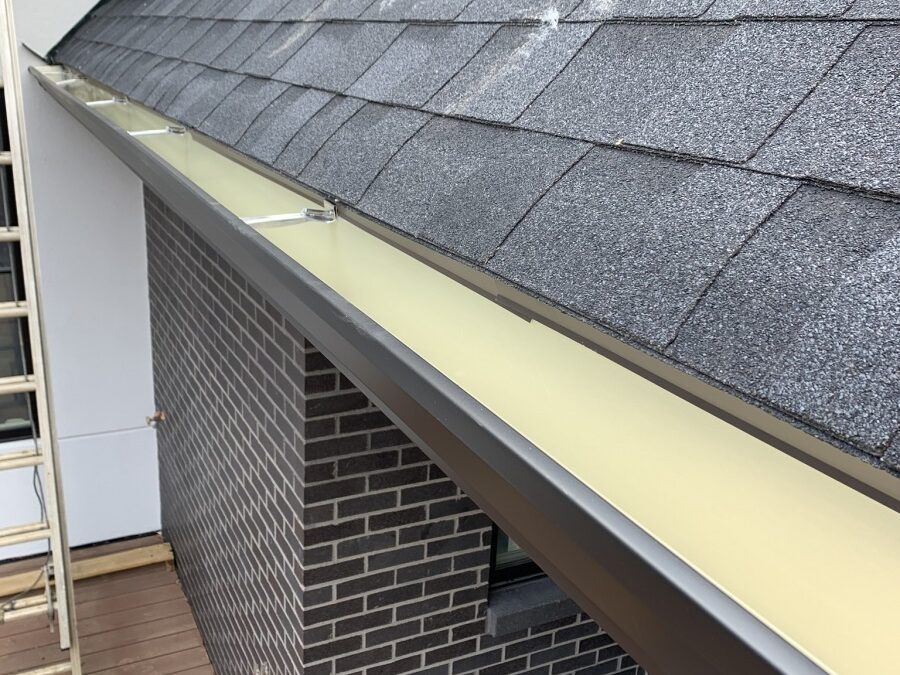
Cincinnati’s mix of hillside neighborhoods, tree-lined streets, and four-season weather places unique demands on roof drainage. This educational overview from Gutters Etcetera in Cincinnati, OH, explains how seamless gutters work, why they can be advantageous in the Queen City, and what practical choices help homeowners get the most from a gutter system.
What Are Seamless Gutters?
Seamless gutters are continuous lengths of metal—typically aluminum—formed on-site to match each roof edge. Unlike sectional systems assembled from shorter pieces, seamless gutters minimize joints along straight runs, leaving seams primarily at corners and downspouts. Fewer joints often means fewer potential leak points and fewer places for debris to accumulate.
Why They Matter in Cincinnati
- Heavy rain events: Spring and summer storms can deliver fast, intense rainfall. Reliable conveyance helps prevent spillover that can saturate garden beds or collect near foundations.
- Leaf and seed debris: Cincinnati’s urban forest sheds leaves in fall and smaller debris throughout the year. A continuous run reduces seam-related snag points.
- Freeze–thaw cycles: Winter conditions can stress joints. With fewer straight-run seams, there are fewer gaps for water to infiltrate and expand when temperatures drop.
Benefits of Seamless Gutters
- Leak resistance: Reduced reliance on sealant between short sections lowers the number of potential failure points along the eaves.
- Custom-fitted performance: On-site fabrication creates exact-length runs. With proper slope and adequate downspouts, this supports steady drainage during cloudbursts.
- Clean aesthetic: Fewer visible joints produce a smooth, finished look that complements both historic homes and newer construction found throughout Hamilton County.
- Maintenance advantages: Seamless designs minimize seam-related accumulation areas. Cleaning is still essential, but there may be fewer frequent trouble spots.
- Material and style options: Aluminum is popular for its weight and corrosion resistance, with numerous baked-on colors. Some homeowners choose steel or copper for specific design goals and durability profiles.
- Guard compatibility: Many mesh or surface-tension guards pair well with seamless gutters, especially valuable in neighborhoods with heavy leaf drop.
Practical Tips for Cincinnati Properties
- Size selection: 5-inch K-style gutters are common; 6-inch systems can improve capacity for larger or steeply pitched roofs, reducing overflow during intense storms.
- Downspouts and discharge: Plan enough downspouts for long runs and areas where multiple roof planes converge. Use extensions or splash blocks to carry water away from basement walls on sloped lots.
- Hangers and spacing: Quality hidden hangers, set at appropriate intervals, support the gutter against water weight and snow. Correct fasteners and spacing help maintain alignment across seasons.
- Guard choice by debris type:
- For large leaves: perforated aluminum or surface-tension covers can shed debris.
- For small seeds and roof grit: fine-mesh screens can help limit entry.
- Regardless of style, periodic checks keep systems performing as intended.
- Slope and corners: Proper pitch toward downspouts and well-constructed miters at corners help prevent standing water and drip points that can stain fascia or siding.
- Routine maintenance schedule:
- Spring: Clear winter debris and confirm downspout flow before storm season.
- Late summer: Inspect after strong storms or wind events.
- Late fall: Remove leaves and check guards.
Considerations and Tradeoffs
- Upfront investment: Seamless systems require specialized on-site fabrication. Homeowners often weigh the reduced seam-related maintenance potential against initial cost.
- Not maintenance-free: Debris still enters from roof edges and valleys. Plan for periodic cleaning even with guards installed.
- Whole-property drainage: Gutters work in concert with grading and discharge routes. Ensure water exits to areas that do not cause erosion or pooling on sloped Cincinnati lots.
- Finish care: Gentle washing helps maintain color-coated aluminum. Avoid harsh abrasives that could dull or scratch finishes.
Local Notes for the Queen City
- Hills and basements: Many Cincinnati homes have basements; keeping discharge directed away from foundation walls can help manage moisture risks.
- Tree canopy: Consider the specific trees near your home when choosing guard types and scheduling maintenance—oak leaves, maple samaras, and pine needles behave differently in gutters.
- Winter safety: Route downspout water away from walkways and drives to minimize icing concerns during freeze–thaw periods.
Conclusion
Seamless gutters provide continuous, custom-fitted channels that reduce seam-related leak points—benefits that align well with Cincinnati’s storm patterns and leafy neighborhoods. With attention to sizing, downspout planning, guard selection, and maintenance, homeowners can evaluate whether seamless gutters fit their properties and preferences. This article from Gutters Etcetera in Cincinnati, OH, offers neutral information to help you make informed decisions about roof drainage and home protection.