
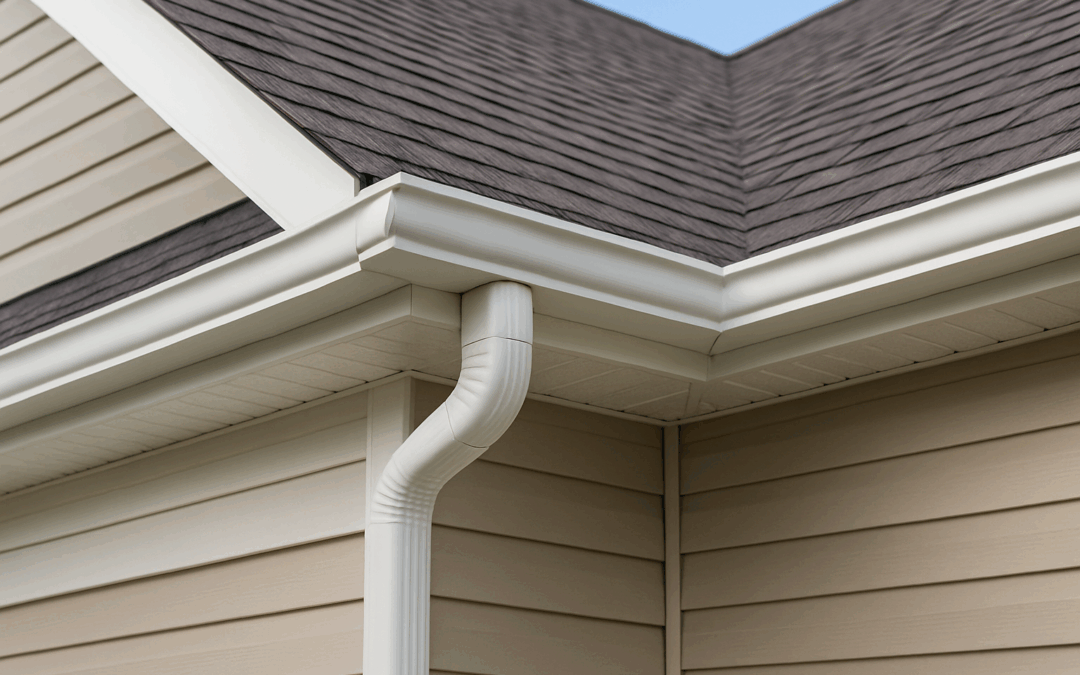
For Cincinnati, Ohio homeowners facing a gutter system that is leaking, sagging, overflowing, or visibly deteriorating, the first practical question is whether the problems at hand call for targeted repair or whether the system’s overall condition makes full replacement the more sensible long-term response. Answering this question well — rather than reflexively defaulting to either extreme — requires understanding what specific conditions are legitimately repairable, what signs indicate a system has moved beyond cost-effective repair, and how Cincinnati’s Ohio Valley climate shapes the deterioration trajectory of residential gutter systems in ways that affect the calculus of this decision. Gutters Etcetera recognizes that Cincinnati-area homeowners benefit from detailed, practical knowledge about when repair serves their interests and when replacement delivers more durable and cost-effective results.
Cincinnati’s Climate and Gutter Deterioration
Cincinnati’s humid continental climate creates a comprehensive and demanding gutter deterioration environment. Approximately 42 inches of annual precipitation, including intense spring thunderstorm events capable of delivering high-volume short-duration rainfall, generates sustained water management demands on gutter system components throughout the year. Ohio Valley humidity throughout warm months means any moisture that reaches wood fascia through gutter failures creates biological deterioration conditions that persist for extended periods between drying events.
Cincinnati’s winter freeze-thaw cycling is the climate characteristic with the most direct mechanical impact on gutter system longevity. Temperatures cycling repeatedly above and below 32 degrees Fahrenheit throughout the winter season expand and contract gutter materials, progressively stressing joints, sealants, and hanger connections. Sealant compounds hardened by summer thermal cycling become brittle in cold temperatures and crack under freeze-thaw stress, creating joint leaks that accumulate water damage to fascia and soffit during the spring rainfall season that follows winter. Hanger fasteners in fascia that has been softened by prior moisture exposure lose holding capacity progressively with winter loading, contributing to sagging that compounds drainage problems.
Cincinnati’s mixed hardwood canopy — Ohio Valley oaks, maples, sycamores, hickories, and beeches generating diverse debris loading across multiple seasons — creates the organic accumulation that accelerates interior aluminum corrosion and contributes to the chronic overflow conditions that progressively compromise the wood components supporting the gutter system. These climate-specific deterioration mechanisms define the context in which Cincinnati homeowners should evaluate their gutter systems’ repair-versus-replacement status.
Conditions Appropriate for Targeted Repair
Isolated Joint Sealant Failures: Gutter sealant at mitered corners, end caps, and outlet connections that has cracked and begun leaking at one or two specific locations in an otherwise performing system is a legitimate repair target. Scraping out failed sealant, cleaning joint surfaces thoroughly, and applying fresh appropriate sealant can restore these locations to function for additional years when the surrounding system is in sound overall condition. The critical judgment is confirming that the leaking is truly isolated rather than the most advanced example of sealant failure progressing throughout the run.
Individual Loose Hangers in Sound Fascia: Gutter sections sagging at specific locations where hangers have loosened or pulled out are repairable when the fascia at those locations is structurally intact. Re-engaging hangers with longer fasteners that reach sound wood behind original fastener locations, or adding new hangers at positions adjacent to failed ones, restores secure attachment when the fascia can hold new fasteners without signs of softening or biological deterioration. Isolated hanger failure in sound fascia is a targeted repair situation, not a replacement indicator.
Downspout Problems: Blockages, separated joints, damaged elbows, and inadequate discharge extensions are downspout component issues that do not implicate the gutter channel and are appropriate for targeted component repair or replacement regardless of gutter channel age. Addressing downspout problems as component repairs is efficient and cost-effective when the gutter channel itself is performing.
Isolated Physical Damage in Sound Material: Small holes, cracks, or dents from branch impact or hail in gutter channel material that is otherwise free of corrosion and structurally sound can be addressed through appropriate patch repair. Sound surrounding material is the essential condition that determines patch repair durability.
Signs That Replacement Is the More Appropriate Answer
Leaking at Numerous Points Along the Run: A gutter system with active leaking at three, four, or more joint locations along a single run has reached systemic sealant failure rather than isolated joint problems. The same age, thermal cycling fatigue, and general deterioration condition that has caused visible failure at multiple points is present at every joint throughout the run — making repair of visible failures a temporary measure while adjacent joints continue to fail. In Cincinnati’s climate, where winter freeze-thaw cycling accelerates the cracking of hardened sealant throughout an aging run, systemic sealant failure is a replacement indicator rather than a repair opportunity.
Fascia Softened by Prior Moisture Exposure: When the fascia boards beneath the gutter have been compromised by chronic moisture exposure — from years of gutter overflow, sealant failures, or drainage inadequacies — they no longer provide the structural integrity needed to hold gutter fasteners. This condition is often discoverable when hanger re-attachment attempts fail because the fascia will not hold fasteners regardless of fastener size. Replacing gutters without replacing compromised fascia does not restore adequate mounting integrity, and the combination of fascia and gutter replacement is the complete and lasting response when this condition is present.
Visible Corrosion Penetrating the Channel Material: Aluminum gutter channel material with visible pitting, corrosion holes, or areas where the material has thinned to near-perforation has exhausted its service life. Interior corrosion in aluminum gutters — driven by organic acid water from debris accumulation — frequently advances faster than exterior appearance reveals, and visible exterior evidence of advanced corrosion typically means the interior surface condition is worse. Patch repairs on corrosion-compromised material are temporary because surrounding corrosion continues, making replacement the durable response.
Gutter Separation at Multiple Section Joints: Sectional gutter systems where section joints have separated or developed significant leaking at numerous locations along the run have reached systemic joint failure. In Cincinnati’s freeze-thaw climate, thermal cycling progressively works sectional gutter joints apart across winter seasons, and a system exhibiting separation at multiple points will continue developing new separations as the same thermal cycling stress continues. Replacement with seamless gutters eliminates the joint frequency that makes aging sectional systems progressively more problematic.
Consistent Overflow Despite Clean, Correctly Sloped Gutters: When gutters overflow consistently during moderate rainfall despite cleanliness, adequate slope, and unobstructed downspouts, the system’s profile and sizing may be inadequate for the roof area served and Cincinnati’s spring rainfall intensity. Many older Cincinnati homes have 4-inch or 5-inch gutter profiles that are undersized by current standards for their roof drainage areas, and this is a system design limitation that repair cannot address. Replacement with appropriately sized gutters resolves a capacity problem that is a permanent feature of the existing undersized system.
System Age and General Wear: Aluminum gutter systems in Cincinnati’s climate — with its combination of substantial precipitation, Ohio Valley humidity, winter freeze-thaw cycling, and debris loading — have realistic service lives in the 20 to 25 year range with typical maintenance histories. Systems approaching or exceeding this age range showing multiple simultaneous deterioration signs have served their designed service life, and continuing to repair incrementally advancing problems produces diminishing returns compared to the comprehensive solution that replacement provides.
The Value of Seamless Gutters for Cincinnati Replacements
When Cincinnati homeowners determine that replacement is appropriate, seamless aluminum gutters offer advantages particularly relevant to the Ohio Valley climate. Seamless gutters formed on-site from continuous coil stock eliminate the numerous section joints that are the primary failure point in aging sectional systems — the same joints that Cincinnati’s winter freeze-thaw cycling progressively stresses and fails over years of service. With no joints throughout the run except at corners and downspout outlets, seamless gutters dramatically reduce the maintenance demands that Cincinnati’s climate imposes on sectional gutter systems. Properly sized 6-inch seamless profiles also address the capacity limitations that older 5-inch sectional installations commonly present in Cincinnati’s spring storm environment.
Practical Timing Considerations for Cincinnati Homeowners
Replacement timing in Cincinnati’s climate affects both logistics and the new system’s entry into service conditions. Fall replacement — after the major autumn debris loading but before the first freeze events — allows new system installation in dry conditions without winter weather disrupting work, and the new system enters winter in fully sound condition. Spring replacement — after winter’s last freeze events but before the onset of peak rainfall — similarly provides favorable working conditions and positions the new system for its first high-demand season in optimal condition. Summer replacement is practical from a weather standpoint but means the new system enters service during a period of reduced rainfall demand before its performance during peak spring events can be evaluated.
Conclusion
The repair-versus-replacement decision for gutter systems in Cincinnati is a condition-specific evaluation that considers the nature and distribution of existing problems, overall system age and material integrity, fascia condition, and the Ohio Valley climate context in which the system has been operating. Gutters Etcetera understands that Cincinnati homeowners benefit from knowing what conditions legitimately support targeted repair as a cost-effective response, what signs indicate that a system has moved beyond economical repair, and how Cincinnati’s specific climate — with its Ohio Valley humidity, intense spring rainfall, winter freeze-thaw cycling, and mixed hardwood debris loading — shapes the deterioration timeline and the repair-versus-replacement evaluation. This knowledge supports maintenance and replacement decisions that provide durable, cost-effective protection for every Cincinnati home throughout the full range of Ohio Valley seasonal conditions.