Cincinnati, Ohio homeowners who carefully maintain their properties sometimes overlook one of the more consequential components of exterior home protection—fascia wrap and trim metal. These formed aluminum coverings installed over exterior wood roofline components provide lasting, low-maintenance protection against the moisture, temperature cycling, and UV degradation that Cincinnati’s four-season climate delivers throughout the year. Gutters Etcetera recognizes that Cincinnati-area homeowners benefit from a comprehensive understanding of what fascia wrap and trim metal are, how they function as protective systems, why Cincinnati’s climate makes their value particularly significant, and how they relate to the overall performance of the roofline drainage systems protecting homes throughout the Ohio Valley.
Defining Fascia Wrap and Trim Metal
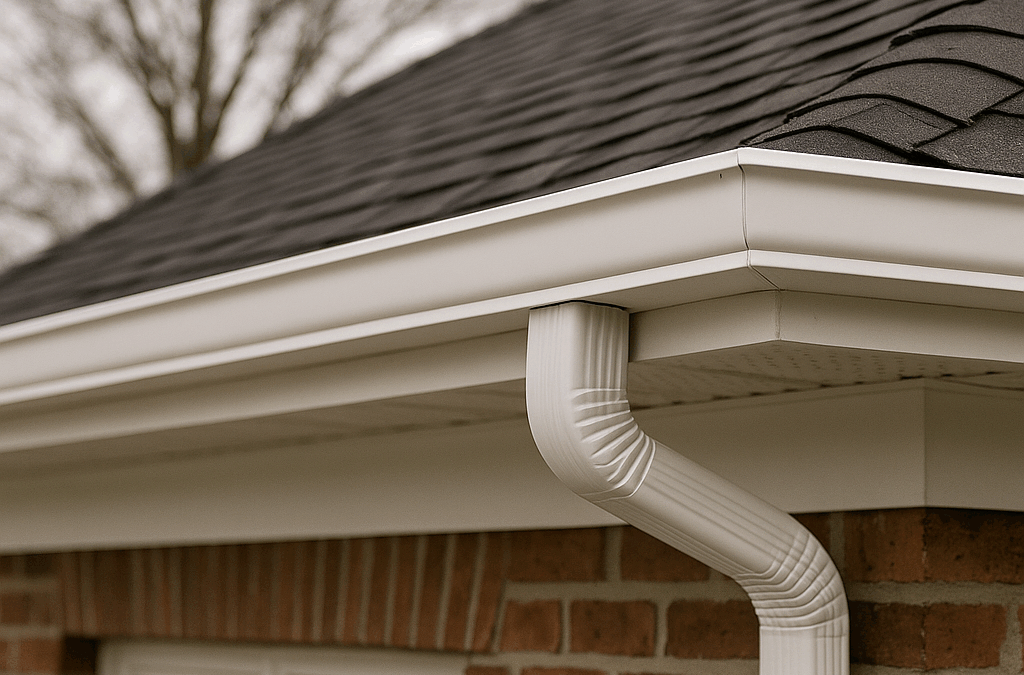
Fascia wrap describes the application of formed metal cladding over wood fascia boards—the horizontal boards running along the lower edge of the roofline directly behind gutters. This metal cladding, almost universally formed from aluminum coil stock in residential applications, creates a moisture-resistant enclosure around the wood substrate that prevents water from reaching and deteriorating the wood fascia beneath. The installation process is sometimes called fascia capping, and results in a clean, finished appearance alongside its primary protective function.
Trim metal extends this protective metal cladding concept beyond fascia boards to other exterior wood elements. Rake boards running along gable end rooflines, window and door trim, corner boards, and various exterior transition pieces can all receive similar formed metal protection. Used together, fascia wrap and trim metal describe a system-level approach to exterior wood protection that addresses all moisture-vulnerable roofline and exterior wood components with durable metal cladding rather than relying solely on periodic paint maintenance.
The aluminum coil stock used for residential fascia wrap and trim metal typically ranges from .019 to .032 inches in thickness. This material comes pre-finished in extensive color selections using factory-applied coil coating systems specifically engineered for exterior exposure, UV resistance, and color stability. Professional installers form flat coil stock into custom profiles using specialized sheet metal brake equipment, producing pieces precisely matching each specific component’s dimensions. This custom fabrication produces accurate fits without gaps that would compromise moisture protection or create visual imperfections.
Cincinnati’s Climate and the Need for Durable Wood Protection
Cincinnati’s humid continental climate subjects exterior building materials to a comprehensive range of weathering stresses throughout four distinct seasons. The city receives approximately 42 inches of annual precipitation, with rainfall spread throughout the year and intensifying during spring storm seasons. The Ohio River Valley’s geographic setting creates locally elevated humidity that persists even between rainfall events, slowing moisture evaporation from exposed surfaces and maintaining elevated moisture conditions particularly conducive to wood deterioration.
Wood fascia boards occupy a position of particular weather exposure on any home. Directly behind gutters, fascia receives concentrated water from gutter overflow events, moisture from gutter system condensation, and direct rain contact at roofline edges. During Cincinnati’s spring thunderstorm season, which can produce intense high-volume rainfall over short periods, gutters that overflow due to debris blockage or insufficient capacity send water directly over and behind fascia boards repeatedly. In Cincinnati’s humid Ohio Valley climate, wood that gets wet dries slowly, maintaining moisture content that supports biological decay processes for extended periods after each rain event.
Cincinnati’s winters create specific additional stresses that compound moisture and biological challenges. Freeze-thaw cycling causes wood to expand and contract repeatedly as temperatures cross the freezing threshold. Paint films on wood fascia experience these dimensional changes as the substrate moves beneath them, developing cracks and adhesion failures that expose wood to moisture. Water that infiltrates paint cracks during warm periods freezes during cold periods, mechanically expanding cracks further with each cycle—a progressive deterioration process particularly active during Cincinnati’s frequently cycling winter temperatures.
Summer heat and UV intensity in Cincinnati add further deterioration mechanisms. Extended summer days deliver cumulative UV radiation that degrades paint films and surface treatments, causing chalking, fading, and eventually film failure that exposes wood directly to moisture. The combination of UV summer damage, freeze-thaw winter stress, spring moisture loading, and persistent Ohio Valley humidity creates year-round weathering pressure on exterior wood that makes durable protective strategies particularly valuable.
Understanding Fascia’s Structural Role
Recognizing why fascia protection matters requires appreciating what fascia boards actually do in a home’s roofline system. Fascia boards close the open rafter ends at the lower roofline edge, providing a continuous surface that prevents moisture from contacting exposed rafter end grain—one of the most moisture-absorbent and decay-vulnerable wood surfaces in any roof system. They block animal and insect access to roof framing through the open rafter spaces, preventing the pest intrusion that can cause additional structural damage. Most practically for homeowner concerns, they provide the attachment surface for gutters, accepting the fasteners that support gutter weight and maintain correct gutter positioning throughout the drainage system’s service life.
These multiple functions mean that deteriorated fascia creates compounding problems across the entire roofline system. Gutters attached to significantly rotted fascia progressively lose fastener holding strength, causing them to sag, shift in pitch, and eventually separate from the roofline entirely. This gutter failure produces the water management failures—overflow, improper drainage, water concentration against the foundation—that gutters exist to prevent. Exposed rafter ends accessing moisture through deteriorated fascia can initiate structural rot that extends along rafter framing into the roof system. Pest access through deteriorated fascia can establish wood-boring insect or carpenter ant activity deep within roof framing. Protecting fascia from deterioration is therefore a structural concern with consequences extending throughout the roof system, not merely a maintenance or cosmetic issue.
How Metal Cladding Protects Wood Fascia
Aluminum fascia wrap provides protection through a fundamentally different mechanism than paint-based approaches. Paint creates a surface film that must be maintained, periodically renewed, and eventually replaced as it ages. Metal cladding creates a physical moisture barrier that encapsulates the wood substrate, preventing water contact regardless of surface coating condition. Because aluminum does not absorb moisture, does not provide substrate for wood-decaying organisms, does not require repainting, and resists the dimensional changes that cause paint film failure, it provides durable protection with substantially reduced long-term maintenance requirements.
Effective installation requires correct integration with adjacent roofline components. At the upper edge, fascia wrap must properly receive water from roof drip edge flashing, ensuring roof runoff travels over the fascia surface into gutters rather than behind the metal cladding. At the lower edge, the relationship with gutter positioning must prevent moisture from entering behind the metal at this transition. Corner transitions at gable ends and roofline direction changes require careful custom forming and appropriate sealing. These installation details determine whether fascia wrap provides genuine long-term protection or simply conceals developing problems.
The factory coil coatings applied to aluminum fascia wrap stock provide color stability and surface durability that significantly exceeds field-applied paint performance. These coatings are formulated for industrial exterior metal applications, engineered to resist UV degradation, chalking, fading, and surface deterioration over many years without repainting. This maintenance-free color retention represents a meaningful practical advantage over painted wood fascia requiring periodic repainting to maintain both appearance and moisture protection.
Rake Boards and Comprehensive Roofline Coverage
Complete roofline wood protection includes rake boards in addition to fascia. Rake boards run along the diagonal gable ends of rooflines, where they experience direct rain exposure from multiple directions and the same UV and freeze-thaw stresses affecting fascia. Metal-capped rake boards complete the protective system at all roofline edges, ensuring no exposed wood component provides an entry point for moisture that could lead to structural deterioration. The visual consistency of matching metal cladding on both fascia and rake boards also creates clean, well-defined roofline appearance that contributes to overall home curb appeal.
Recognizing When Fascia Needs Professional Evaluation
Cincinnati homeowners can recognize indicators suggesting fascia condition warrants professional assessment. Gutters beginning to sag, pull away from the roofline, or show visible changes in alignment often indicate deteriorating fascia losing fastener holding capacity. Visible paint peeling, bubbling, or significant discoloration on fascia surfaces indicates moisture is reaching the wood. Soft, spongy texture when fascia is touched or probed suggests active rot. Water staining on siding below gutter locations indicates water escaping from the gutter and fascia system rather than flowing through properly. Any visible gaps or separations between fascia and adjacent roofline components merit professional evaluation to assess their significance.
Addressing underlying fascia condition before installing metal cladding is essential for lasting results. Installing aluminum wrap over significantly deteriorated wood conceals ongoing deterioration while making it harder to identify and address, allowing damage to progress and potentially spread to adjacent structural components. Sound wood condition should be confirmed and any deteriorated sections replaced before protective cladding is applied.
Conclusion
Fascia wrap and trim metal represent a durable, low-maintenance approach to protecting the structurally important exterior wood components that directly influence roofline integrity and gutter system performance for Cincinnati, Ohio homes. Gutters Etcetera understands that Cincinnati-area homeowners benefit from recognizing the multiple structural functions that fascia boards perform, appreciating how Cincinnati’s Ohio Valley humidity, substantial annual precipitation, pronounced freeze-thaw cycling, and four-season weathering stress create challenging conditions for exterior wood, and understanding how correctly installed metal cladding provides lasting protection that reduces maintenance demands while preserving the structural foundation that effective roofline drainage systems require throughout the years of demanding Ohio Valley weather that every Cincinnati home must withstand.